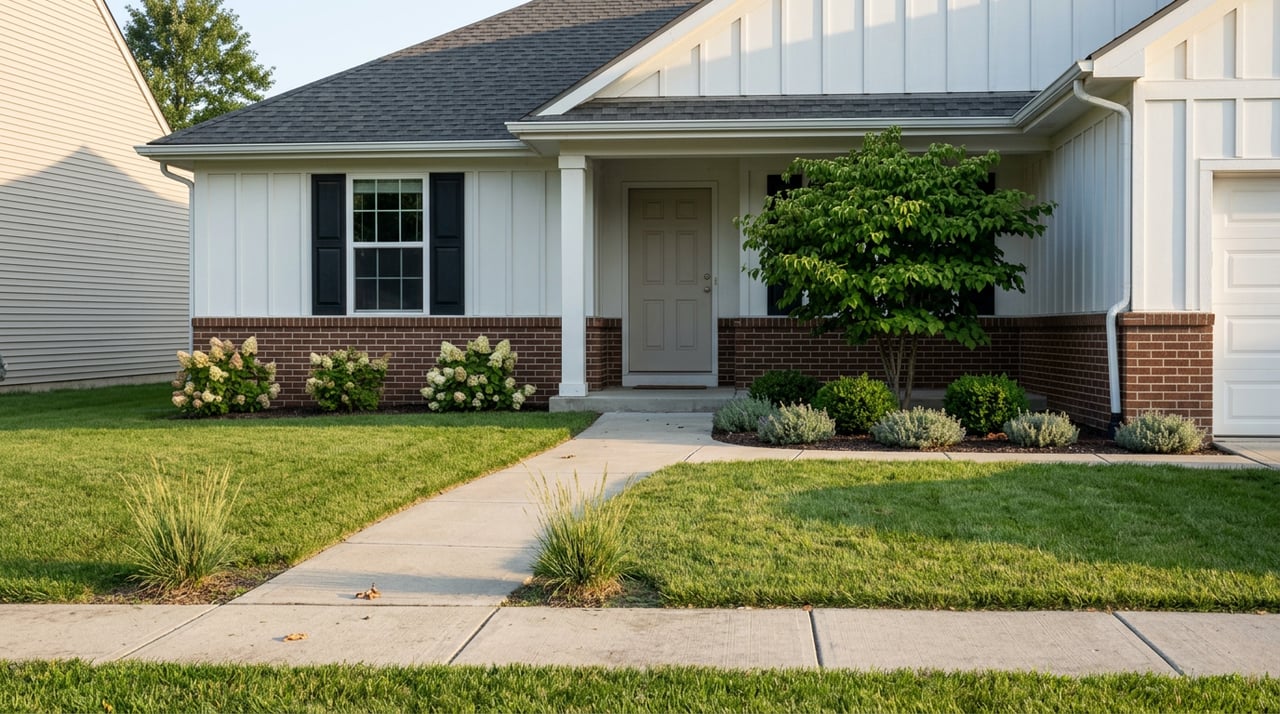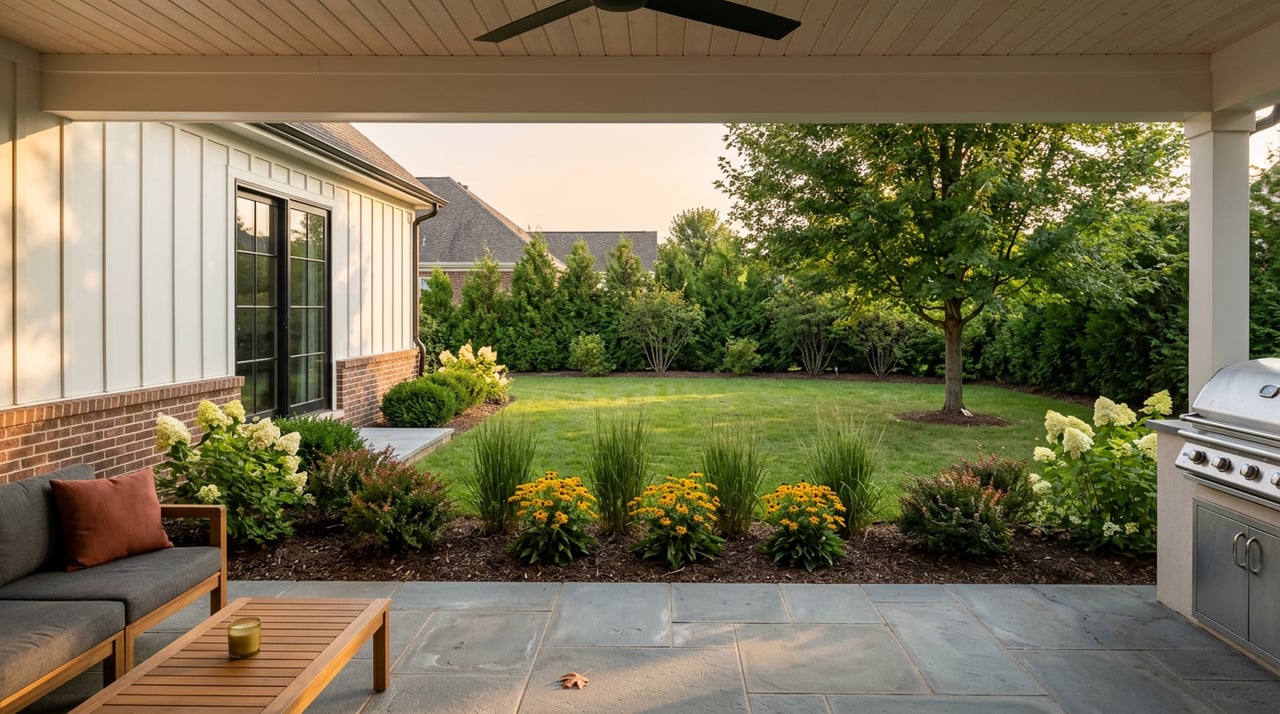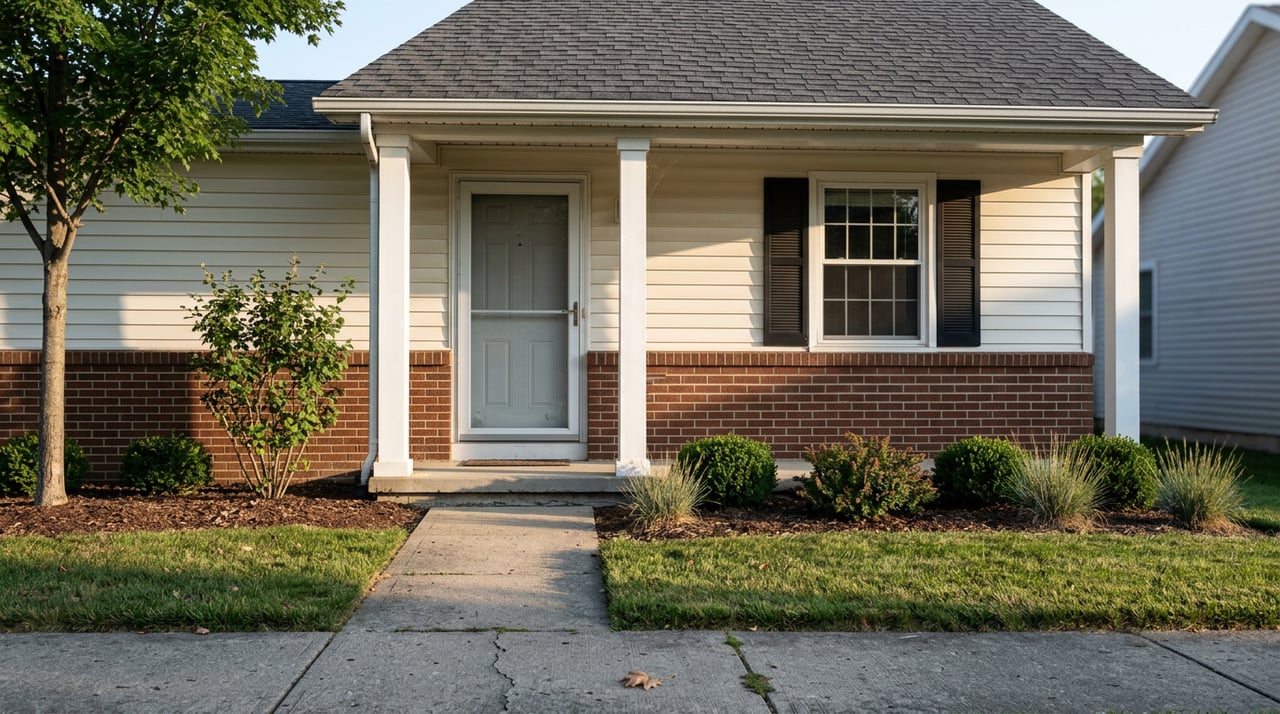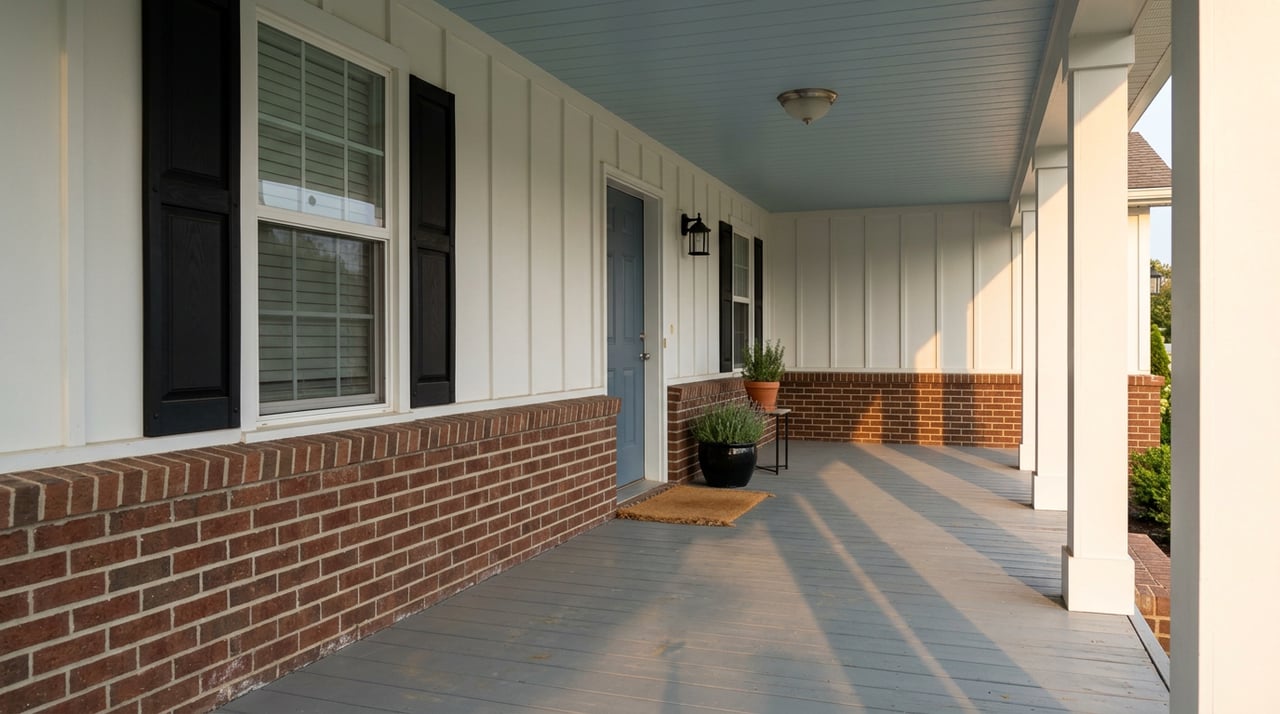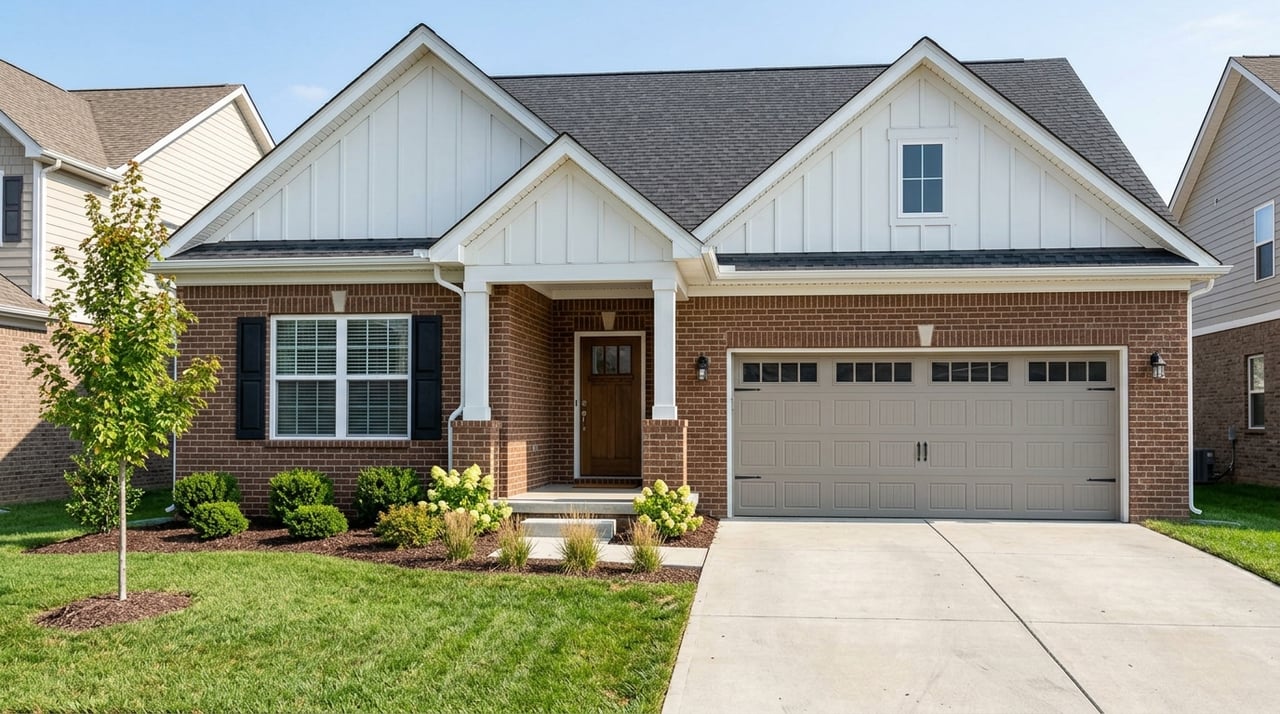
Thinking about a move to Greenfield? If you want more space, a manageable commute, and everyday convenience without losing access to Indianapolis, Greenfield deserves a close look. The city has been growing, offers a mix of housing options, and gives you a practical blend of parks, local services, and commuter access. Here’s what you should know before you make the move.
Why Greenfield draws new residents
Greenfield is not standing still. According to the U.S. Census Bureau’s QuickFacts for Greenfield, the city’s estimated population reached 26,268 in 2024, up 12.0% from the 2020 census count of 23,488.
That growth matters because it tells you Greenfield is attracting new households while still functioning as an established community. The same Census data shows a 64.9% owner-occupied housing rate, a median owner value of $216,400, median gross rent of $1,177, median household income of $76,127, and 2.29 persons per household.
In simple terms, Greenfield can appeal to buyers who want a more settled, residential feel with day-to-day practicality. It also gives you a useful starting point for comparing housing costs and lifestyle expectations with other areas around greater Indianapolis.
Commute and access in Greenfield
For many relocating buyers, the first question is simple: how easy is it to get where you need to go? Greenfield’s comprehensive plan notes that the city is just over 30 minutes east of Indianapolis and has direct access to I-70, U.S. 40, and State Road 9.
That lines up with the Census Bureau’s reported mean travel time to work of 25.7 minutes. If you work in Indianapolis or need regular access to surrounding communities, Greenfield offers a commute that is realistic for many households.
Still, it is smart to test this for yourself. If you are planning a move, try a weekday drive on the route you would actually use, because rush-hour traffic can feel very different from a midday visit.
Housing options to expect
One of the most helpful things to know about Greenfield is that it is not defined by just one housing type. The city’s Unified Development Ordinance shows that Greenfield includes both single-family residential development and multi-unit development.
That means your options may include established homes, newer subdivision properties, and opportunities near the historic core. Depending on your goals, you may be choosing between character, convenience, lower-maintenance living, or a newer build with a different timeline.
Historic district or newer development?
This is one of the most important questions to ask early. Greenfield has a Historic Board of Review, and the city also has a downtown historic district and a National Residential District connected to tax-credit-eligible renovation potential.
Why does that matter to you? A home in the historic core may come with different review steps, design expectations, or renovation considerations than a property in an established subdivision or newer development area.
That does not make one option better than another. It simply means your timeline, renovation plans, and expectations should match the type of property you are considering.
What daily life looks like
Relocating is about more than the house. You also want to know whether everyday errands and services feel easy once you are there.
Greenfield has several core services in town. Hancock Regional Hospital is located at 801 N. State St., Hancock Immediate Care is at 1515 N. State St., and the Hancock County Public Library’s main Greenfield branch is at 900 W. McKenzie Road.
Downtown also supports day-to-day convenience. Greenfield’s market assessment identified 42 retail establishments, including food-and-beverage businesses and a chain drugstore, suggesting that some routine shopping and errands can be handled locally.
Parks and recreation in Greenfield
If outdoor access matters to you, Greenfield has a strong recreation story. A city recreation study inventoried 348.4 acres in the park system, while the city’s comprehensive plan describes almost 400 acres of parkland, seven unique park experiences, and more than 10 miles of paved trails.
Riley Park and Greenfield’s recreation resources are a major part of local lifestyle. Riley Park includes a community pool, skate park, courts, fields, and Brandywine Creek access.
Brandywine Park serves as the city’s sports complex, and the Pennsy Trail offers a walking and biking route along a former rail corridor. If you are exploring Greenfield in person, visiting a park or trail segment is one of the fastest ways to understand the city’s day-to-day rhythm.
How to plan an exploratory visit
A quick drive-through rarely tells you enough. If you are serious about relocating, build a visit around the places and routines that will shape your actual life.
Here is a simple structure to use:
- Test your weekday commute to Indianapolis using the route you would likely drive.
- Walk downtown to get a feel for the historic district and retail core.
- Visit Riley Park or a section of the Pennsy Trail.
- Stop by the hospital and library area to gauge everyday convenience.
This kind of visit helps you move beyond listing photos and start evaluating fit. You are not just picking a house. You are deciding how your daily routine will work.
Timeline tips for relocating buyers
If you are moving from another city or state, timing matters as much as location. According to the Consumer Financial Protection Bureau’s closing guide, once your offer is accepted and you have chosen a lender, you move into underwriting, inspection, and title and insurance steps, and lenders must provide the Closing Disclosure at least three business days before closing.
The CFPB also notes that mortgage rate locks are often 30, 45, or 60 days. For planning purposes, a weeks-long closing window is a reasonable benchmark, and some transactions can land in the 30 to 60 day range after contract acceptance.
If you are relocating for work or coordinating the sale of another home, these details matter. The earlier you line up your financing, moving timeline, and preferred possession dates, the smoother the process tends to be.
New construction can take longer
If you are considering a newly built home in Greenfield, ask more questions up front. The city’s Plan Commission process includes sketch-plan review before subdivision plats are filed, and building projects can involve storm-water permitting.
That means new construction timelines may stretch beyond a typical resale timeline, especially if a lot or development still needs local approvals. It is also worth asking what future land use is planned near the property, since zoning and subdivision rules have been updated as part of long-range planning.
Questions to ask before you buy
A relocation move usually goes better when you ask the right questions early. In Greenfield, these are especially helpful:
- Is the property in the historic district, an older residential area, or a newer subdivision?
- If it is new construction, what approvals or utility-related steps could affect the move-in date?
- What nearby development is planned that could affect traffic, views, or the surrounding area?
- How does the seller’s preferred timing line up with inspection, underwriting, and closing?
These questions can help you avoid surprises and make a more confident decision. They also help you compare homes based on how they fit your timeline, not just your wish list.
Is Greenfield the right fit for you?
Greenfield can make sense if you want a growing community with a practical Indianapolis commute, a range of housing choices, and strong access to parks and daily services. It offers a blend of established character and ongoing development, which gives buyers several ways to approach a move.
The key is knowing how to evaluate the details behind each option. Historic-area considerations, commute patterns, new construction timelines, and future development plans can all shape your experience once you move in.
If you are weighing a move to Greenfield, working with a local advisor can make the process much more manageable. The team at The Amy Spillman Group offers high-touch relocation support to help you narrow neighborhoods, understand timing, and move forward with clarity.
FAQs
What should new residents know about Greenfield housing options?
- Greenfield offers a mix of housing types, including single-family and multi-unit development, along with homes in historic areas, established neighborhoods, and newer development settings.
What should relocating buyers know about commuting from Greenfield?
- Greenfield is just over 30 minutes east of Indianapolis with access to I-70, U.S. 40, and State Road 9, and the Census Bureau reports a mean travel time to work of 25.7 minutes.
What should homebuyers know about historic properties in Greenfield?
- Some properties may fall within the historic core or related districts, which can involve different review steps, design expectations, or renovation considerations.
What should new residents know about parks and recreation in Greenfield?
- Greenfield has hundreds of acres of parkland, more than 10 miles of paved trails, and recreation destinations such as Riley Park, Brandywine Park, and the Pennsy Trail.
What should relocating buyers know about closing timelines in Greenfield?
- While every transaction is different, financed purchases usually involve underwriting, inspection, and disclosure steps, and many closings are planned within a multi-week window after contract acceptance.