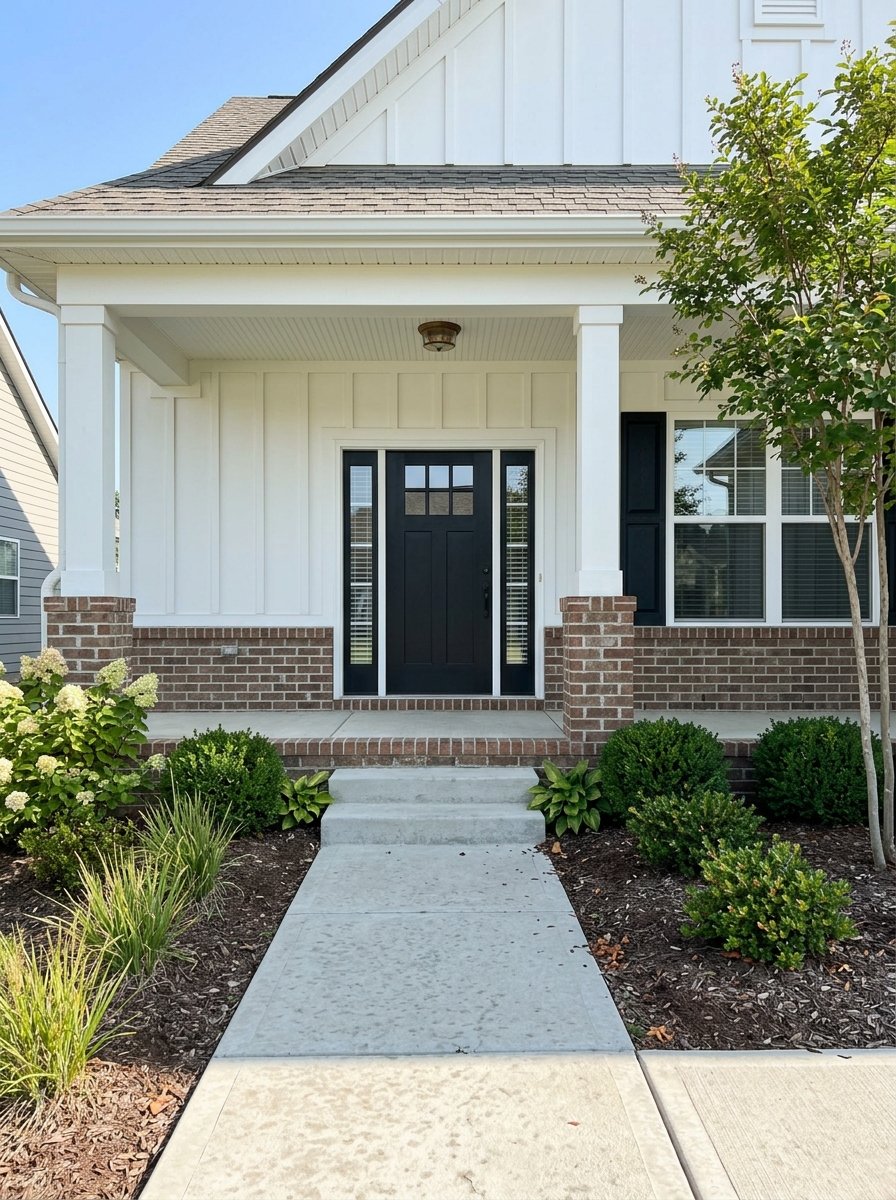
Wondering what kinds of homes you will actually find in Zionsville? If you are searching in 46077, it helps to know that Zionsville is not defined by just one look. You will see everything from older village cottages near Brick Street to larger custom homes in newer growth areas. This guide will help you understand the most common home styles, what their layouts often feel like, and where you are more likely to see them so you can shop with more confidence. Let’s dive in.
Why Zionsville Has So Much Variety
Zionsville’s architecture reflects its long history and steady growth. The town traces its roots to an 1852 railroad-town origin, and today it still describes itself as a place where modern development and rustic character coexist, especially around the historic Village Business District and Brick Street corridor.
That mix shows up clearly in the housing stock. According to the 2021 Zionsville Historic Sites & Structures Inventory, the most common residential labels include Bungalow, American Small House, Gable-front, Carpenter-Builder, Colonial Revival, Queen Anne, Italianate, Greek Revival, Craftsman, and American Four Square. In simple terms, Zionsville offers a strong collection of modest early- to mid-20th-century homes, along with a meaningful number of older 19th-century properties.
Historic Styles Near The Village
If you are drawn to homes with age, detail, and a sense of place, the residential streets around the Village are the place to start. These areas contain much of Zionsville’s original housing stock and connect closely to the town’s historic core.
Greek Revival Homes
Greek Revival is one of the oldest surviving styles in Zionsville. Local examples are often symmetrical and may feature cornice returns, 6/6 windows, and a strong central entry, as noted in the historic inventory.
Inside, these homes often follow a center-hall layout. That means you may walk into a central hallway with larger rooms on either side, a plan that can feel formal, balanced, and easy to understand. If you like clean symmetry and traditional room separation, this style may appeal to you.
Italianate Homes
Italianate homes bring more height and ornament. In Zionsville, this style is associated with tall narrow windows, bracketed cornices, and square or irregular massing, with some homes showing detailed porches and decorative trim.
From the street, Italianate homes can feel more vertical and more dramatic than simpler village houses. They often stand out because of their proportions and exterior details, which can give them a refined, late-19th-century look.
Queen Anne Homes
Queen Anne is one of the most visually expressive historic styles you will find in Zionsville. Local examples may include wrap-around porches, turned posts, spindlework, shingle details, and cross-gabled rooflines, according to the SullivanMunce inventory.
These homes often feel less formal inside than their facades might suggest. The National Park Service’s Queen Anne overview notes that interiors commonly have asymmetrical room arrangements that flow around a central staircase. If you want a home with personality and a less boxy layout, Queen Anne can be especially interesting.
Village Cottages And Vernacular Forms
Not every older Zionsville home fits a textbook style. The local inventory also uses labels like gabled-ell and upright-and-wing for village-era homes that grew over time as families expanded them.
These homes are often one-and-a-half stories with simple windows, porch details, and practical additions made in phases. For buyers, that can mean a lot of charm and individuality, but also more variation from one property to the next.
Early 20th-Century Favorites
Many buyers love Zionsville because it has older homes that still feel practical for everyday living. Early- and mid-20th-century styles often hit that sweet spot between character and function.
Bungalows And Craftsman Homes
Bungalows are the most common residential label in Zionsville’s historic inventory, which says a lot about the town’s visual identity. Local examples are usually one or one-and-a-half stories with low-pitched roofs, wide eaves, exposed rafters or braces, front porches, and open floor plans.
This is a great style to know if you like homes that feel warm, approachable, and porch-forward. The layout often supports connected living spaces rather than a series of formal rooms, and the exterior usually has handcrafted details that make even smaller homes feel distinctive. For general style cues, the Pennsylvania Historical & Museum Commission’s bungalow guide highlights the same practical, comfortable character.
American Four Square Homes
If you want a straightforward two-story house with efficient use of space, American Four Square is worth watching for. Zionsville’s inventory describes this style as a home with four rooms on the first floor and four on the second, often paired with a full-width front porch.
Some local examples also blend in Colonial Revival or Craftsman details. For buyers, that usually means a home that feels orderly, easy to furnish, and flexible for changing needs over time.
Colonial Revival Homes
Colonial Revival is another major Zionsville category, and it often appeals to buyers who want a traditional look. Local examples can include simple cottages or one- to one-and-a-half-story homes with 6/6 windows, multiple gables, and narrow overhanging eaves.
At the layout level, Colonial Revival and related traditional homes commonly use a symmetrical center-entry facade and a center-passage, two-room-deep floor plan. If you prefer rooms with clear purpose and a classic front elevation, this style may feel familiar and comfortable.
Mid-Century And More Compact Homes
Zionsville is not only about large custom properties or historic houses. The town also includes practical mid-century homes that can be a strong fit for buyers who want a simpler footprint.
American Small House
American Small House is a common local type in Zionsville. Guidance cited in the research describes it as a compact one-story house with a four-room plan, bathroom, closets, and optional features like a porch, dormer, or garage.
For buyers, these homes can offer manageable space and a functional layout. They are a useful option if you value efficiency, lower-maintenance living, or a home that feels easy to update over time.
Ranch Homes
Ranch homes also appear in the Village and broader Zionsville area, especially from the mid-1940s through the early 1960s. Local examples often include low-pitched roofs, attached garages or breezeways, picture windows, and a more suburban profile.
Ranch homes are often easy to recognize from the street because they sit low and wide. If you want single-level living, a connected garage, and a more modern mid-century feel, this style is worth a close look.
Where You’ll See These Homes
One of the most helpful ways to think about Zionsville is by location and era. In general, older village cottages and historic styles cluster near Main Street and the residential streets surrounding the preserved business district.
By contrast, the town’s 2025 comprehensive plan notes that areas around Hunt Club Road include equestrian estates and large-lot subdivisions, while newer planned neighborhoods such as Holliday Farms, Devonshire, and Chelsea Park sit in newer growth areas. In practical terms, that means larger custom-estate and newer luxury homes are more likely to be found toward the edges of town rather than in the historic Village core.
Quick Layout Cues For Buyers
When you tour homes, style is not just about curb appeal. It can also give you clues about how the home may live day to day.
Symmetry Usually Means Structure
If the front of the home looks balanced with a centered entry, you may be looking at Greek Revival, Colonial Revival, or another traditional two-story form. These homes often have center-hall or center-passage layouts with more defined room separation, a pattern also described by the National Park Service.
Asymmetry Often Means Character
If the exterior has multiple gables, a wrap-around porch, or a more complex shape, the interior may also be less rigid. Queen Anne homes, in particular, often have rooms that flow around a staircase instead of following a simple grid.
Porches And Open Living Suggest Bungalow Design
Low rooflines, wide eaves, and a strong front porch usually point to Bungalow or Craftsman influence. These homes often feel more casual and connected, with practical living areas that flow together.
Compact Plans Can Be Highly Functional
Smaller homes are not necessarily less useful. American Small House designs were created for efficiency, and Ranch homes often deliver easy circulation and single-level convenience.
How To Use Style In Your Home Search
Architecture should support your lifestyle, not just your Pinterest board. If you love historic charm, focus on the Village-area streets and be ready for more variation in floor plans, room sizes, and updates.
If you want a more predictable layout or newer construction, you may prefer neighborhoods outside the historic core. And if you are deciding between character and convenience, touring a few different home styles in person is often the fastest way to learn what truly fits your day-to-day life.
A local guide can also help you connect architectural style with actual inventory, location, and resale considerations. If you want help narrowing your options in Zionsville, The Amy Spillman Group offers high-touch buyer and relocation support with a clear, informed approach.
FAQs
What home styles are most common in Zionsville?
- According to Zionsville’s 2021 historic inventory, the most common residential labels include Bungalow, American Small House, Gable-front, Carpenter-Builder, Colonial Revival, Queen Anne, Italianate, Greek Revival, Craftsman, and American Four Square.
Where are historic homes located in Zionsville?
- Much of Zionsville’s original housing stock is located on the residential streets surrounding the Village Business District and Brick Street area near Main Street.
What does a Bungalow home in Zionsville usually look like?
- Local Bungalows are usually one or one-and-a-half stories with low-pitched roofs, wide eaves, front porches, and details like exposed rafters or braces.
What layout should you expect in a Queen Anne home in Zionsville?
- Queen Anne homes often have asymmetrical interiors with rooms that flow around a central staircase rather than a simple center-hall floor plan.
Where are newer luxury homes more likely to be found in Zionsville?
- Based on the town’s comprehensive plan, larger custom-estate and newer luxury homes are more likely to be found in newer growth areas and on the edges of town, including areas near Hunt Club Road and planned neighborhoods like Holliday Farms, Devonshire, and Chelsea Park.