If you have been thinking about buying your first investment property, Indianapolis may already be on your radar. The city offers a lower price point than many major markets, but that does not mean every property or every neighborhood will perform the same way. If you want to get started with more confidence, this guide will walk you through the basics of evaluating investment properties around Indianapolis and what to pay attention to before you buy. Let’s dive in.
Why Indianapolis gets investor attention
Indianapolis remains a comparatively affordable market for buyers looking at rental property. According to Redfin’s Indianapolis housing market data, the city’s median sale price was $240,000 in February 2026, which was about 43 percent below the national average.
That affordability matters when you are trying to balance purchase price, financing, and potential rent. It can make Indianapolis feel more approachable for a first-time investor who wants an entry point that may be harder to find in higher-cost metros.
There is also meaningful market depth here. Marion County had an estimated 981,628 residents, 444,766 housing units, a 56.5 percent owner-occupied rate, and a median gross rent of $1,153 in 2024, according to U.S. Census QuickFacts for Marion County.
What supports rental demand
A strong investment decision starts with demand. The HUD Indianapolis-Carmel-Anderson housing market report estimated metro population at 2.20 million as of July 1, 2024, and noted that nonfarm payrolls were up 2.4 percent year over year in late 2024.
More people and more jobs can help support renter demand over time. Marion County’s median commute time was 24.5 minutes, which also adds helpful context when you compare locations and think about access to major employment areas.
That said, demand is not evenly distributed. Performance can vary a lot by submarket, which is why broad metro headlines should be the starting point, not the final answer.
Best property types for beginners
If you are buying your first investment property around Indianapolis, you will likely compare two common paths: single-family homes and smaller multifamily properties. Each can work, but they come with different tradeoffs.
Single-family rentals
Single-family rentals are a major part of the local market. HUD reports that about one-third of rental units in the metro are single-family homes, with an average rent of $1.17 per square foot and a vacancy rate of 3.1 percent in December 2024.
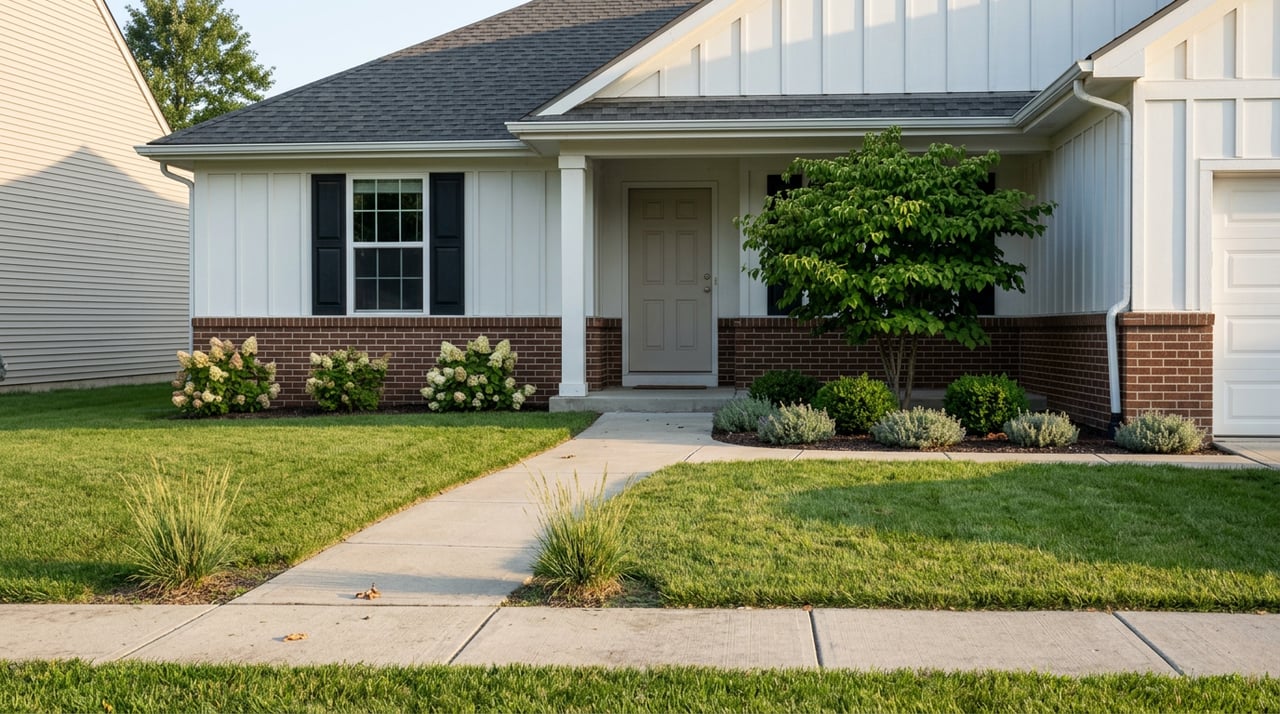
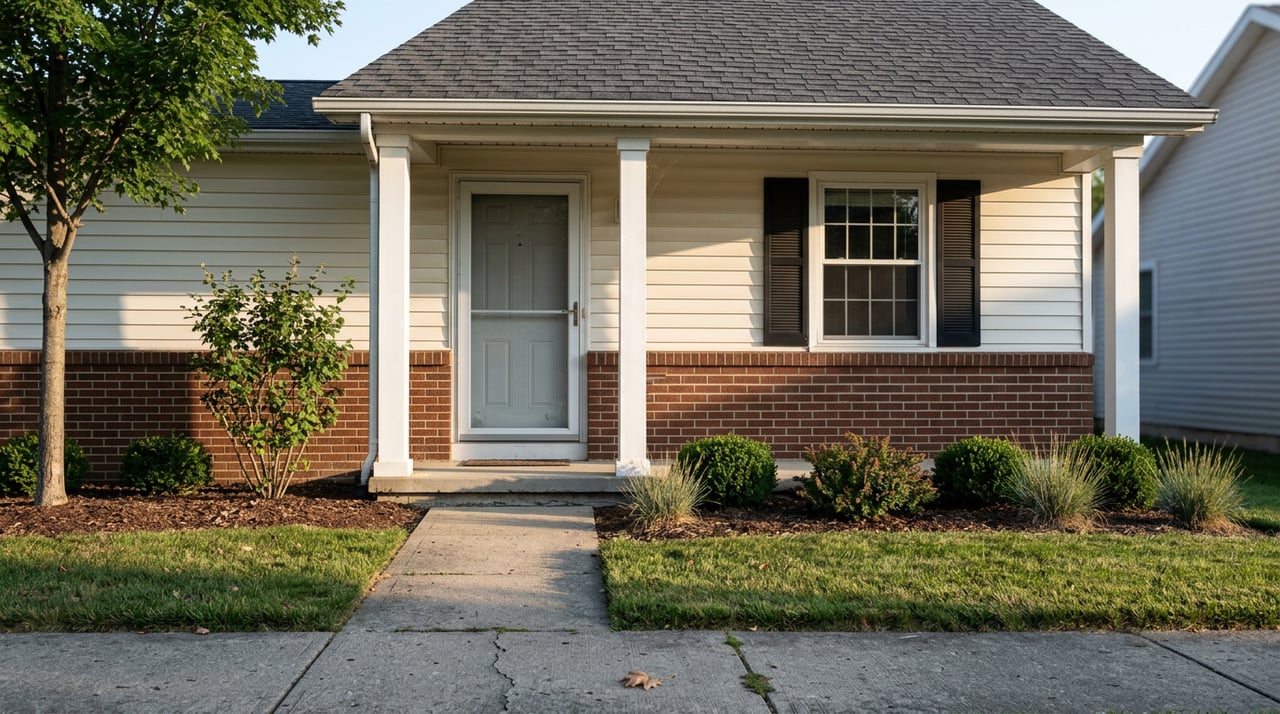
For many first-time investors, this property type feels easier to understand. The buying process is often more familiar, maintenance can be simpler to plan for than a larger building, and the local rental base is already substantial.
Single-family homes can also fit well if you want a straightforward way to learn the numbers, manage risk carefully, and focus on one unit in one location. In a market like Indianapolis, that simplicity can be helpful when you are still building experience.
Smaller multifamily properties
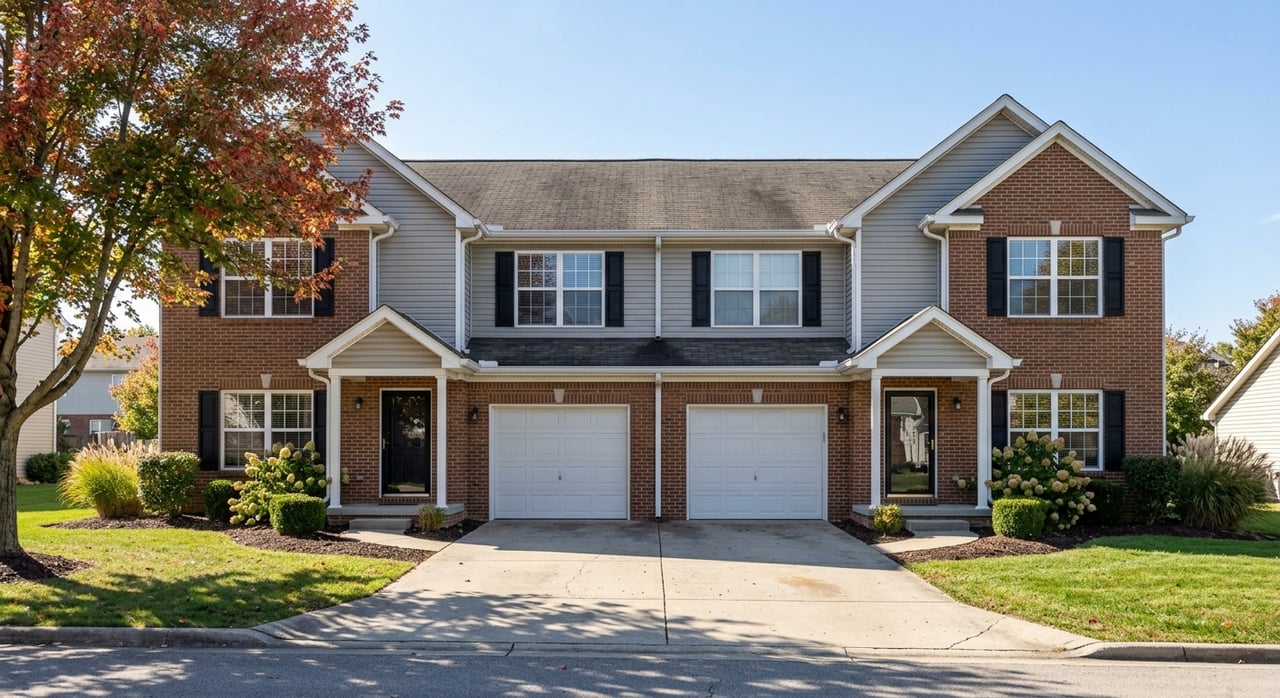
Smaller multifamily properties can offer more than one income stream under one roof. That can help spread vacancy risk across units instead of relying on a single tenant.
But these properties require more careful neighborhood and rent analysis. HUD’s submarket data shows that rent growth and vacancy can differ sharply across the metro, so a duplex or small apartment building in one area may perform very differently from a similar property in another.
How to run a basic deal check
Before you get too attached to a property, start with a simple screening method. You are not trying to build a perfect pro forma on day one. You are just asking whether the numbers deserve a closer look.
HUD’s FY2025 fair market rents for the Indianapolis-Carmel area list benchmark rents of $955 for a one-bedroom, $1,097 for a two-bedroom, $1,283 for a three-bedroom, and $1,669 for a four-bedroom, effective June 1, 2025, based on HUD rent limits data.
These figures are best used as a conservative rent check, not as a promise of what a specific home will rent for. For example, using the city’s $240,000 median sale price and HUD’s two-bedroom fair market rent of $1,097, you get a rough gross yield of about 5.5 percent before vacancy, taxes, insurance, repairs, HOA fees, and financing costs.
That simple test can help you avoid chasing a property that looks appealing but may not make sense financially. After that, your next step is to compare actual nearby rentals in the same submarket, because local rent assumptions matter far more than citywide averages.
Why submarket selection matters
One of the biggest mistakes first-time investors make is treating Indianapolis like one uniform market. It is not. Conditions can vary significantly depending on where you buy.
According to HUD’s 2023 submarket analysis, apartment vacancy ranged from 1.8 percent in Shelby County to 21.6 percent in Outlying Boone County. Rent growth also ranged widely, from negative 0.3 percent in Carmel, Zionsville, and Westfield to 8.6 percent in Northwest Marion County.
That does not automatically make one area better than another for every investor. It does mean you should be careful about using broad rent averages or vacancy assumptions without checking the immediate area around a property.
Tools to research neighborhoods and addresses
When you narrow down properties, city tools can help you move from general market research to address-level due diligence. The My Neighborhood platform provides generalized neighborhood and address-specific information.
You can also use local mapping tools through that same city platform to review property report cards, zoning context, flood-zone information, and nearby public features such as parks and greenways. These tools can help you better understand what you are buying before you submit an offer or complete inspections.
As you compare areas, practical considerations matter. Think about commute patterns, access routes, property condition, and how the surrounding housing stock supports your rental strategy.
What apartment and rental trends suggest
The metro’s apartment market was considered balanced in the fourth quarter of 2024, with average rent of $1,270 and vacancy of 9.6 percent, according to HUD. At the same time, Marion County multifamily permitting slowed to 650 units in 2024, down from an average of 1,400 units in 2022 and 2023.
For a beginner, the takeaway is not that one asset class always wins. It is that supply conditions are changing, and different property types may face different vacancy pressures.
This is one reason many first-time buyers look closely at single-family rentals in and around Indianapolis. They represent a meaningful share of the rental market and showed lower vacancy than apartments in the latest HUD snapshot.
Legal basics to know before you buy
If you plan to become a landlord, you should understand a few core compliance issues before closing. The Indiana Civil Rights Commission housing page explains that Indiana fair housing rules protect applicants and tenants from discrimination based on race, color, national origin, ancestry, religion, sex, disability, and familial status.
You should also know the state’s security-deposit timing rule. According to the IHCDA 2024 rental compliance manual, landlords must send an itemized written notice and any remaining security-deposit balance within 45 days after the rental agreement ends, once the tenant has supplied a forwarding address.
These are only a few pieces of the full picture, but they show why compliance matters from the start. Before you buy, it is smart to confirm financing, insurance, tax treatment, and lease language with the right professionals.
A practical first-step plan
If you are serious about buying your first investment property around Indianapolis, keep your process simple and disciplined.
- Set your budget first. Know what purchase price, down payment, and monthly payment range you can support.
- Choose a property type. Decide whether you want the simplicity of a single-family rental or the added complexity of a smaller multifamily property.
- Use conservative rent assumptions. Start with benchmarks like HUD fair market rents, then verify with comparable rentals nearby.
- Study the submarket. Look at vacancy, supply, commute patterns, and address-level details before making a decision.
- Review legal and operational basics. Make sure you understand fair housing obligations and basic landlord requirements.
- Build your advisory team. A lender, CPA, and Indiana real estate attorney can help you evaluate the full picture.
A first investment property does not need to be perfect. It does need to be understandable, supportable, and researched well enough that you know what risks you are taking on.
If you want help evaluating areas around greater Indianapolis or finding a property that fits your goals, The Amy Spillman Group can help you approach the process with clear local insight and thoughtful guidance.
FAQs
What makes Indianapolis appealing for first-time investment property buyers?
- Indianapolis offers a relatively affordable entry point compared with many major markets, and current data shows a large metro population, job growth, and a substantial rental base.
What type of investment property is common for beginners around Indianapolis?
- Many first-time buyers compare single-family rentals with smaller multifamily properties, and single-family homes stand out because they make up a large share of local rental stock and had lower vacancy in HUD’s latest snapshot.
How should you estimate rent for an Indianapolis investment property?
- Start with conservative benchmarks like HUD fair market rents, then verify likely rent using comparable rentals in the same submarket because neighborhood-level conditions can vary widely.
Why does neighborhood selection matter for Indianapolis rentals?
- HUD submarket data shows major differences in vacancy and rent growth across the metro, so two similar properties in different areas may have very different investment performance.
What local tools can help you research an Indianapolis property?
- City tools like My Neighborhood and related Indy mapping resources can help you review address-level information such as zoning context, flood zones, property details, and nearby public features.
What Indiana landlord rule should first-time investors know about security deposits?
- Indiana guidance says landlords generally must send an itemized written notice and any remaining security-deposit balance within 45 days after the rental agreement ends, once the tenant has provided a forwarding address.