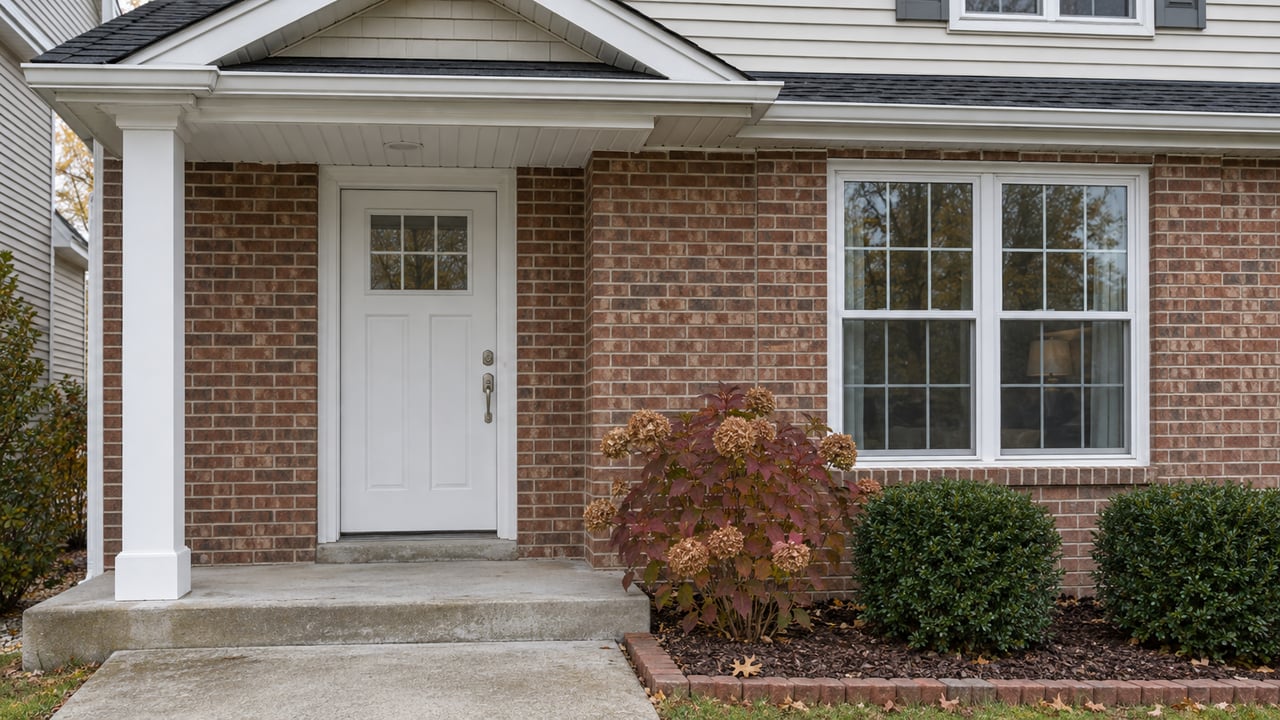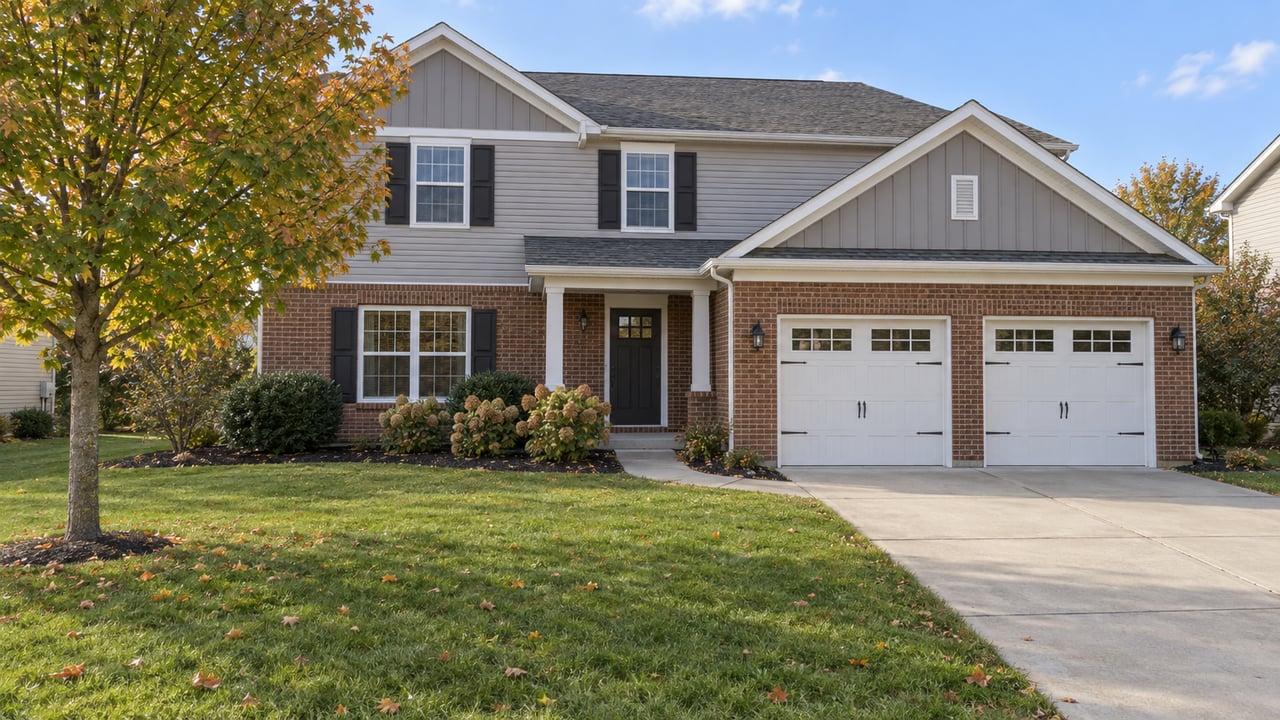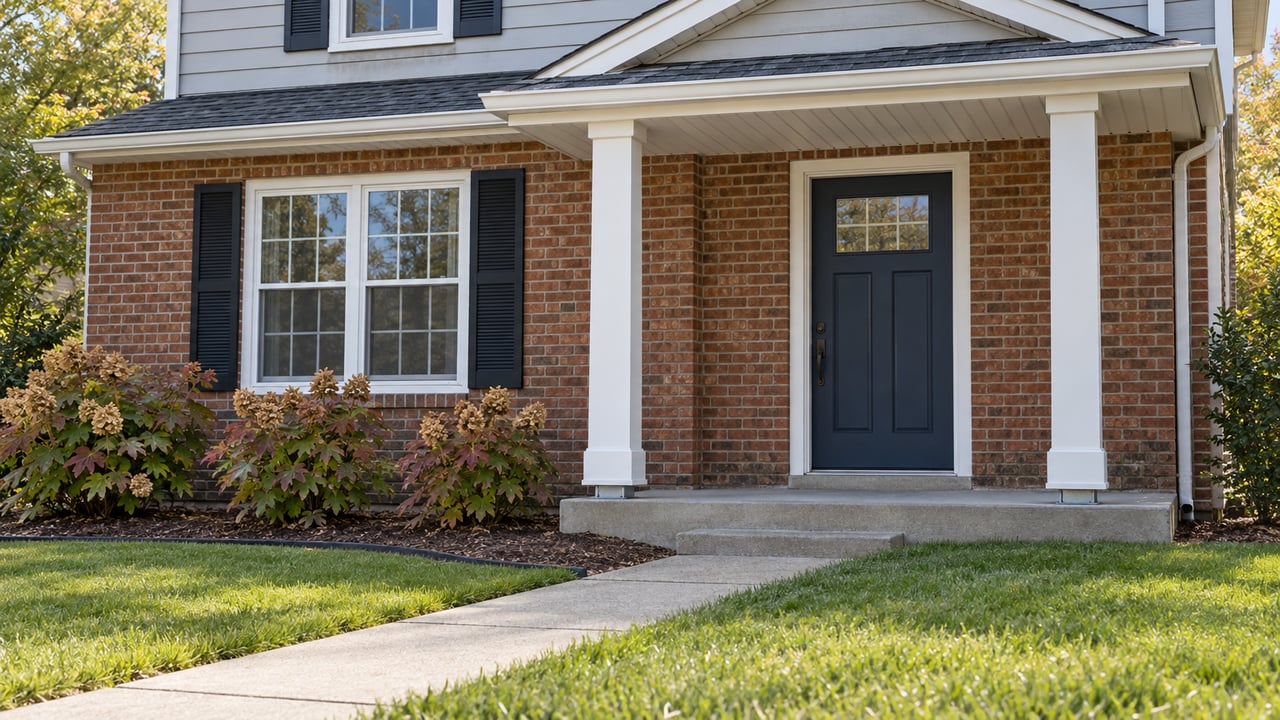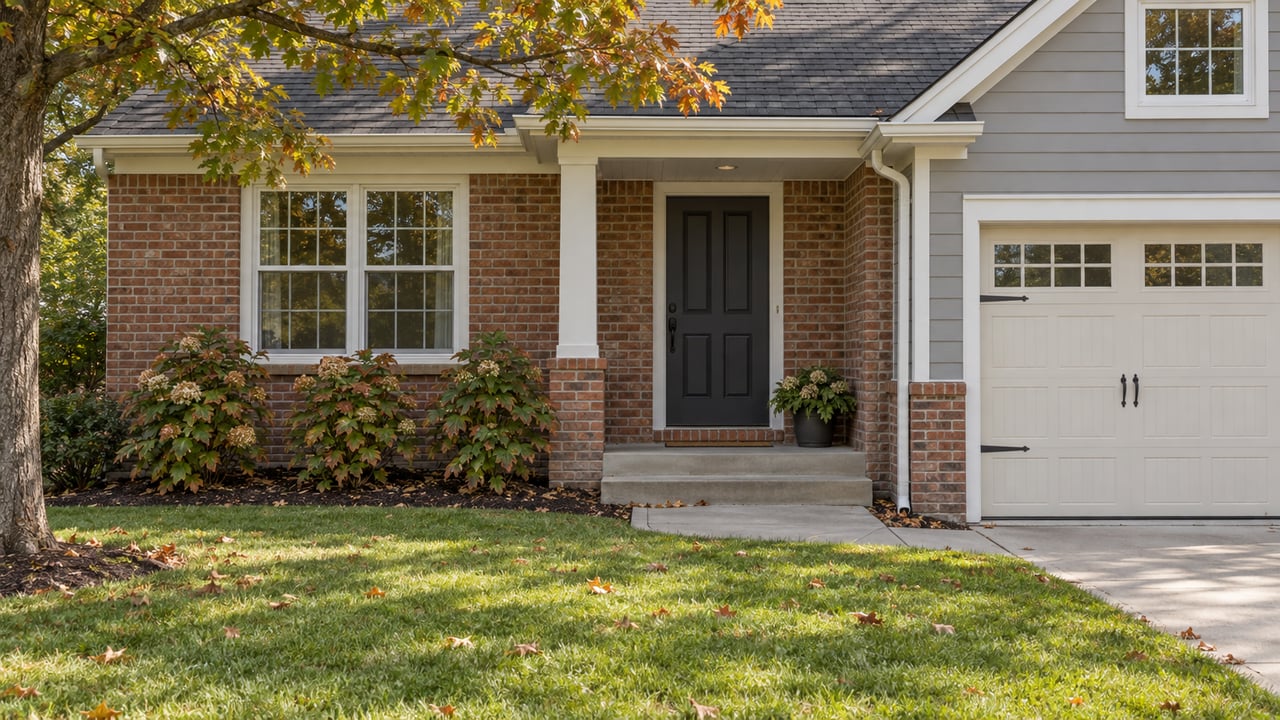
Thinking about moving up, but not sure whether Northside Indianapolis or a newer suburb is the better fit? That question comes up often for buyers who want more space, a better daily routine, and a home that feels right for the next chapter. On the north side, the appeal is real, but so are the tradeoffs. If you are weighing character, commute, parks, and renovation risk, this guide will help you make a smarter decision. Let’s dive in.
Northside Indianapolis Is Not One Market
One of the biggest mistakes move-up buyers make is treating Northside Indianapolis like a single housing market. In reality, it is a collection of distinct neighborhoods and pockets, each with its own feel, home styles, lot patterns, and day-to-day lifestyle.
Washington Township is a good example of that variety. Its official profile describes a well-established, tree-lined area that includes Broad Ripple, Meridian-Kessler, Butler University, the Monon Trail, and the Indianapolis Museum of Art. That mix alone tells you the north side can shift quickly from lively, walkable areas to quieter residential streets.
Meridian Hills adds another layer. It is known for more estate-like settings, mature trees, winding streams, hilly terrain, and access to Holliday Park, Marott Park, Nora, and Broad Ripple. For you as a buyer, that means the lot, setting, and upkeep expectations can vary quite a bit even within a relatively small area.
Why Move-Up Buyers Look North
For many buyers, the north side stands out because it offers something newer subdivisions often do not: established character. You may find mature landscaping, older homes with distinctive architecture, and neighborhoods that feel shaped over time rather than built all at once.
That difference can be especially appealing if your current home feels too standard or too tight. A move-up purchase on the north side can offer more personality, stronger lot character, and closer access to parks, trails, and central Indianapolis destinations.
At the same time, this is rarely a simple upgrade story. Northside Indianapolis is often a lifestyle-and-maintenance decision, not just a price comparison. The right fit depends on how much you value charm, centrality, and flexibility versus newer construction and a more uniform neighborhood setup.
Older Homes Bring Charm and Homework
A lot of the north side’s appeal comes from its older housing stock. In Meridian-Kessler, development accelerated in the 1920s and 1930s, and the area includes many major early 20th-century home styles. A few pre-1900 homes still remain, and the neighborhood’s lot layout developed in a piecemeal way, which helps explain its irregular street pattern and varied feel.
That character can be a major plus when you want a home with design detail and a more established setting. You may also find mature trees and architectural variety that are hard to replicate in newer communities. For many move-up buyers, that emotional pull is strong.
But older homes also require more careful review. Systems, floor plans, storage, garage setups, and renovation history can vary widely from one house to the next. What looks turnkey on the surface may still need deeper inspection if you are planning updates or want room to expand later.
Renovation Rules Matter More Here
If you are considering a home where you may want to build an addition, update the exterior, or make visible changes, due diligence matters even more. Along Meridian Street, for example, the North Meridian Street Historic District includes a Preservation Area where certain exterior modifications and variances require approval.
That does not automatically make a property harder to own. It does mean you should understand the review process before assuming a future project will be straightforward. If your move-up plan includes changing the facade, expanding the footprint, or altering visible features, this should be part of your decision early on.
This is one reason the north side rewards buyers who plan ahead. It is not just about whether you love the house today. It is also about whether the property supports the version of home you may want in a few years.
Lot Size and Layout Are Key Questions
Northside lots can be beautiful, but they are not all large. In Meridian-Kessler, most lots are under half an acre, except along Meridian Street and a few larger corridors. That means you should not assume a charming yard automatically has the width or depth needed for future plans.
If you are moving up for more flexibility, ask practical questions early. Is there enough room for an addition, a detached garage setup, or a pool? Does the existing layout leave enough outdoor space after improvements?
Older neighborhoods can also come with parking tradeoffs. Street parking, narrower drives, and older garage configurations may work well for one household and feel limiting for another. Your day-to-day routine matters just as much as square footage.
Commute Convenience Depends on Destination
Many buyers assume the north side automatically means an easier commute. In practice, it depends on where you need to go. Census Reporter shows a mean commute time of 23.2 minutes in Washington Township, compared with 24.6 minutes in Carmel, 25.1 minutes in Westfield, and 26.7 minutes in Fishers.
That data is helpful, but it does not tell the whole story. A north-side address may feel more convenient if your routine includes central Indianapolis destinations. A suburban location may work better if most of your travel is northbound.
The best way to compare options is to think beyond city names. Test the actual routes that matter to you, including work, regular errands, activities, and weekend patterns. A home can look ideal on paper but feel very different once you map your real schedule.
Trails and Transit Add Flexibility
One of the north side’s biggest lifestyle advantages is access to the Monon Trail. According to Indy Parks, the trail runs from 10th Street to 96th Street and connects to the Fall Creek Greenway, Central Canal Towpath, and White River Wapahani Trail, while also passing places like Broad Ripple Village and Marott Park.
For buyers who want more than a drive-in, drive-out routine, that kind of connectivity matters. You may be able to bike, walk, or mix your transportation options in a way that feels harder to achieve in a newer subdivision pattern.
Transit can also be part of the equation, but it should be verified in real time. IndyGo announced in June 2026 that Route 90, the Red Line, would be split into separate north and south segments from the CTC. If transit is important to your household, current route details should be checked before you rely on them in your home search.
Amenities Can Shape Daily Life
On the north side, the house is only part of the value. For many move-up buyers, the bigger draw is what surrounds it. Established neighborhoods often offer a richer mix of trails, parks, local businesses, and community destinations than newer, more uniform subdivision settings.
Broad Ripple is a clear example. The Broad Ripple Village Association describes it as Indianapolis’s longest established cultural district, founded in 1836 and known for locally owned shops, restaurants, arts, and an active day-and-night rhythm. That can be a major plus if you value energy and convenience close to home.
Still, amenity-rich areas are not one-size-fits-all. Activity, noise, and parking can feel exciting to one buyer and frustrating to another. Your comfort with that environment should be part of the decision, especially if you want a quieter home base.
Parks Are a Major Northside Strength
Broad Ripple Park offers a good counterbalance to the district’s busier reputation. Indy Parks says the park includes a family center opened in 2023, plus an indoor track, indoor play structure, outdoor pool, bark park, trails, and classes. For many households, that kind of amenity mix adds real everyday value.
Holliday Park is another major draw. Indy Parks describes it as a 95-acre riverfront park with woodland, trails, gardens, a playground, and a nature center. Access to spaces like these is a big reason some move-up buyers stay closer to the city rather than heading farther out.
If your ideal next home includes both established housing and easy outdoor access, the north side makes a strong case. In some areas, the neighborhood experience itself becomes part of the upgrade.
School Boundaries Should Be Verified by Address
When buyers search by area name, it is easy to assume school assignment follows the neighborhood brand. On the north side, that can be a mistake. Washington Township’s profile lists both Washington Township Schools and Indianapolis Public Schools, which shows why school assignment should be confirmed at the property level.
That does not mean one area is harder to shop than another. It simply means you should verify the exact assignment for any address you are seriously considering. For move-up buyers who are planning around long-term household needs, that step is too important to skip.
Northside Versus Newer Suburbs
For many buyers, the real decision is not whether Northside Indianapolis is good. It is whether it fits better than Carmel, Fishers, or Westfield for the way you want to live. That comparison is usually less about one being better and more about which tradeoffs matter most to you.
Census Reporter shows median owner-occupied housing values of $328,200 in Washington Township, compared with $561,200 in Carmel, $420,300 in Fishers, and $425,700 in Westfield. That is broad context, not a neighborhood-by-neighborhood price sheet, but it helps illustrate the difference in housing patterns and market positioning.
Established north-side neighborhoods often appeal to buyers who want architectural variety, mature landscapes, and closer access to central Indianapolis. Newer suburban communities often appeal to buyers who want more uniform housing stock, newer layouts, and a more planned setting. Neither is automatically better. The better choice is the one that fits your priorities with fewer compromises.
Questions to Ask Before You Buy
If Northside Indianapolis is on your shortlist, keep these questions front and center during your search:
- Is the home in a preservation or design-review area?
- How much of the home is updated, and how much remains in original condition?
- Is there enough lot depth or width for future plans?
- What is the parking setup like in daily use?
- Which parks, trails, errands, and services are actually close to this address?
- Does your commute depend more on downtown access, northbound travel, or transit reliability?
- Have school assignments been verified for the specific property?
These questions can help you compare homes more clearly and avoid focusing only on finishes or list price. In a market with this much variation, details matter.
The Best Fit Comes Down to Lifestyle
For the right buyer, Northside Indianapolis offers a compelling move-up path. You may gain a more established setting, distinctive home styles, mature trees, strong park access, and a location that supports a different kind of daily rhythm.
You may also need to accept older-home upkeep, more variable lot layouts, and a little more homework before making an offer. That is the trade. If you value character and central access more than new-construction uniformity, the north side may be exactly where your next chapter starts.
If you want help comparing north-side neighborhoods with suburban options like Carmel, Fishers, or Westfield, connect with The Amy Spillman Group. Their high-touch, local guidance can help you weigh the tradeoffs and find the right move-up fit.
FAQs
What should move-up buyers know about Northside Indianapolis home styles?
- Northside Indianapolis is known for older housing stock, architectural variety, mature landscaping, and neighborhood character, but homes can also vary widely in condition, layout, and renovation needs.
What should buyers check before purchasing a home in Northside Indianapolis?
- You should verify whether the property is in a preservation area, review what has been updated, evaluate lot size and parking, confirm nearby amenities, and check school assignment by address.
How does Northside Indianapolis compare to Carmel, Fishers, and Westfield?
- Northside Indianapolis often offers more established neighborhoods, older homes, and central-city access, while Carmel, Fishers, and Westfield often offer newer housing stock and more uniform subdivision settings.
What commute factors matter when buying on the Northside of Indianapolis?
- The biggest factor is where you actually need to go, since a north-side location may work better for central Indianapolis trips while outer suburbs may be better for northbound commutes.
Why do parks and trails matter for Northside Indianapolis buyers?
- Amenities like the Monon Trail, Broad Ripple Park, and Holliday Park can shape your daily routine and are a major reason many buyers choose the north side over newer suburban communities.