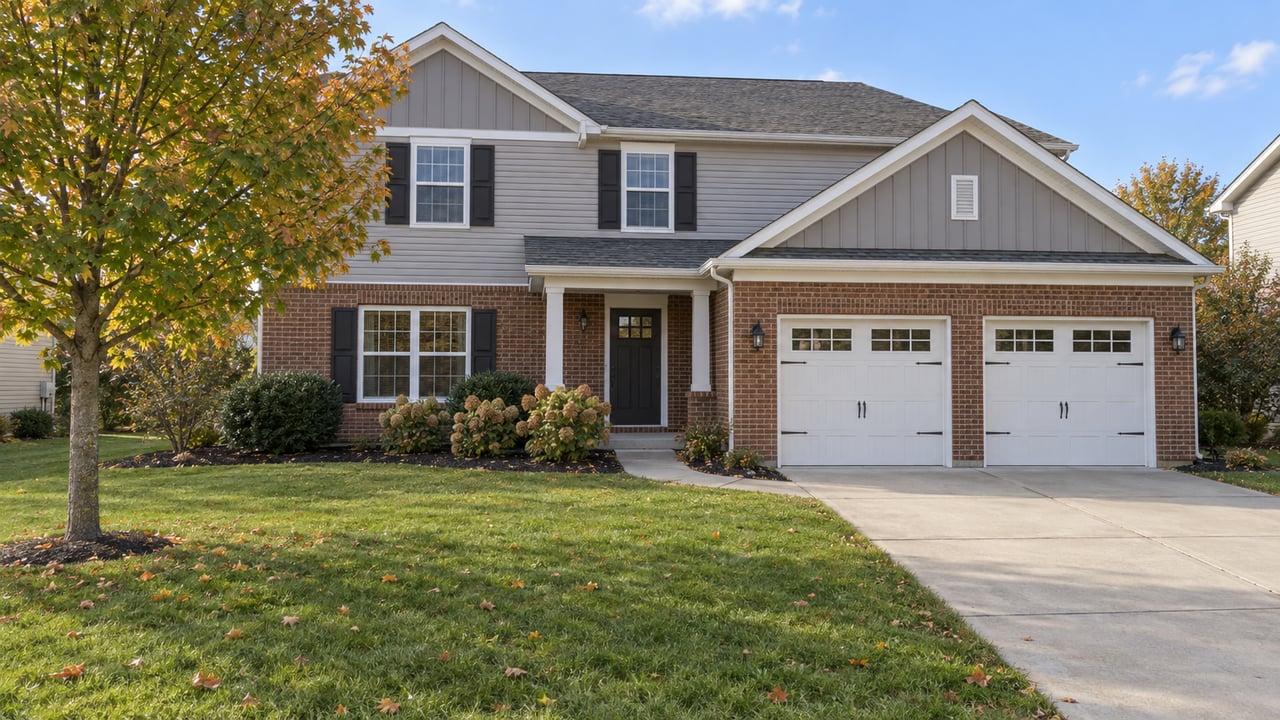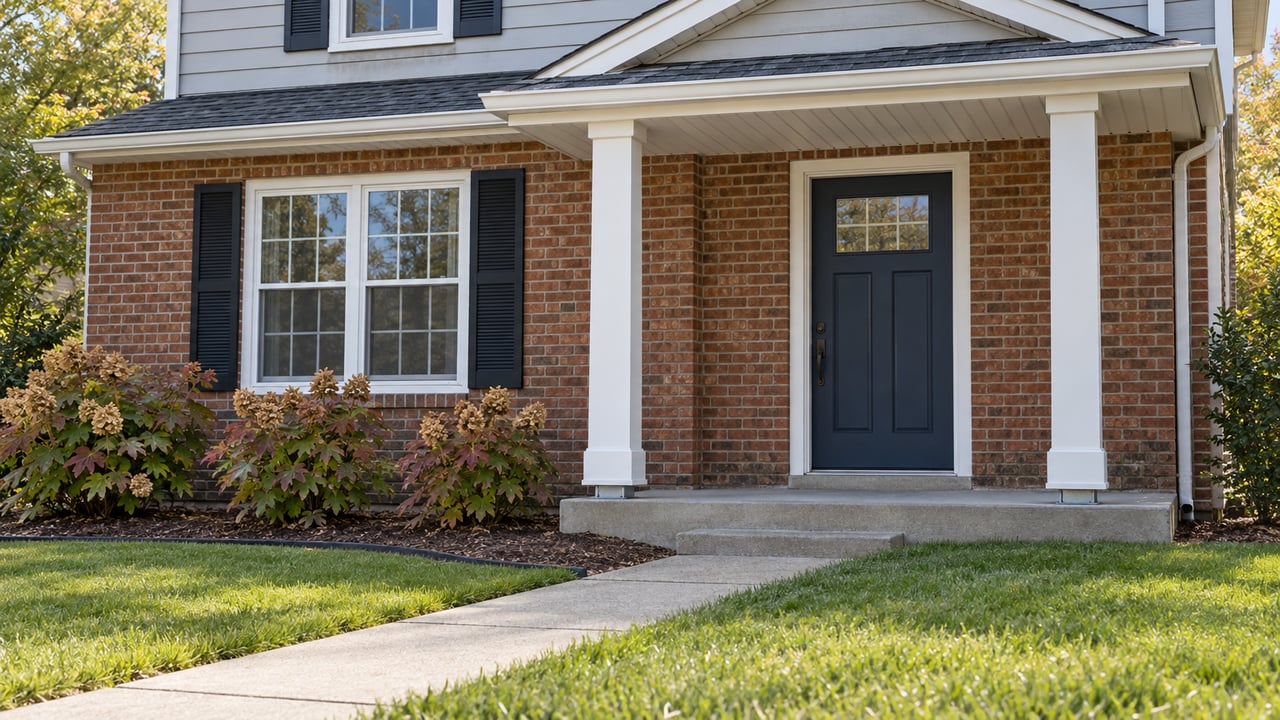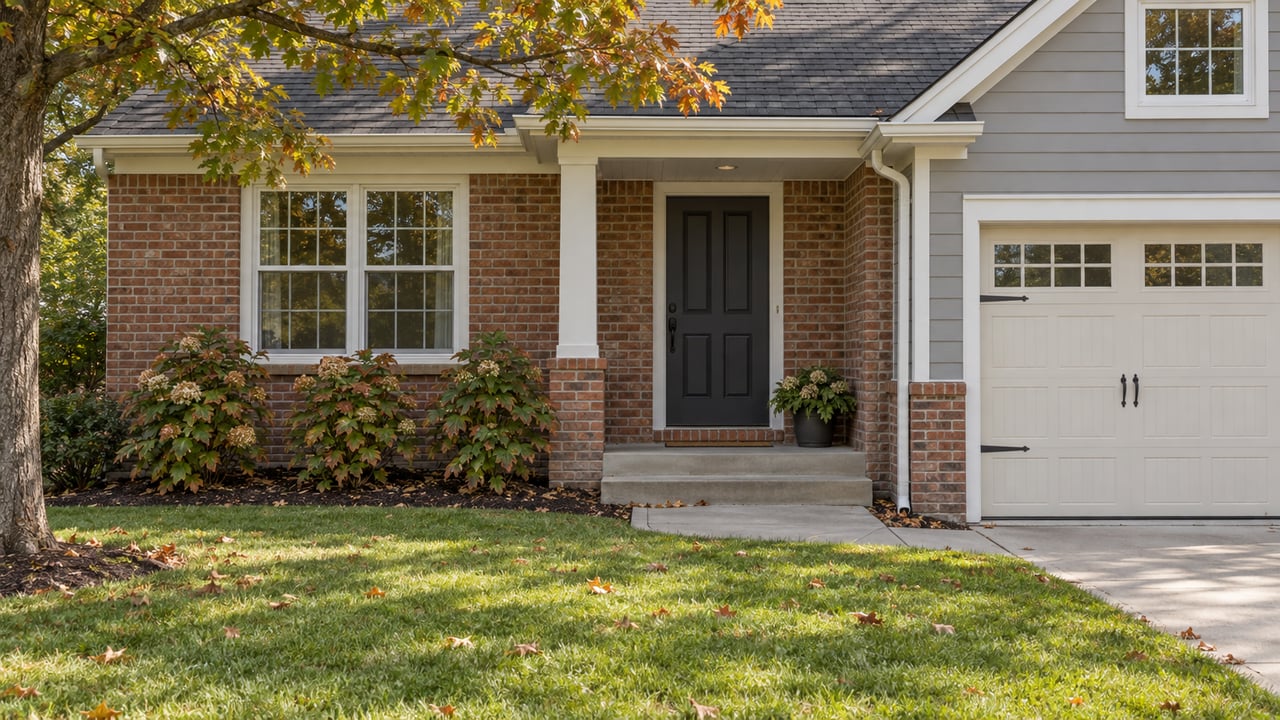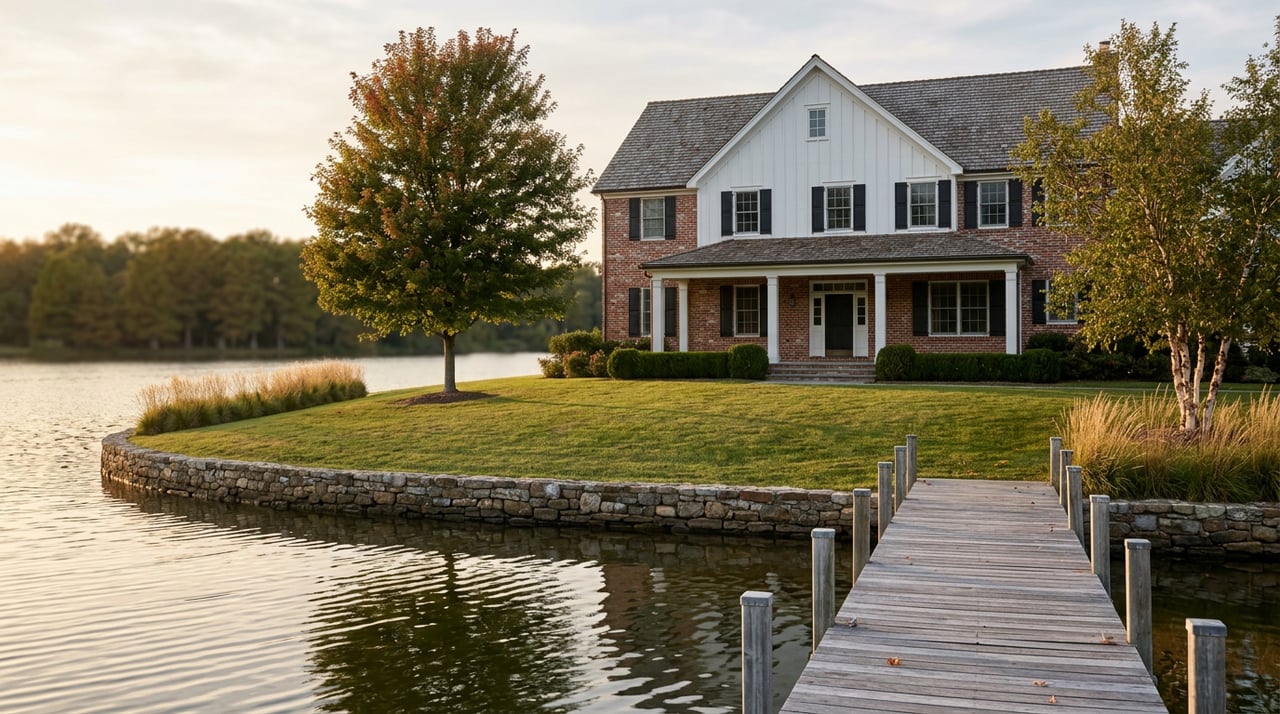
Two houses on the same stretch of Geist Reservoir. Same era of construction, same three-car garage, same walkout lower level, same rough square footage. List one at $1.2 million and the other at $1.8 million and most buyers assume the gap is finish level, or a better kitchen, or a half-acre of extra lot. On Geist, it is usually none of those things. It is what happens at the edge of the yard, and whether the dock sitting there actually belongs to the house.
That distinction does not show up on a listing photo. It rarely shows up in the listing description either, which is exactly the problem for anyone comparing waterfront homes in Fishers for the first time.
What "Waterfront" Actually Means on Geist
Geist Reservoir spans roughly 1,890 acres and has been ringed by residential development since the early 1980s, when the first subdivisions went in along its banks. Today the shoreline is dense with homes, and nearly every listing near the water gets described with some version of the word "waterfront." But waterfront on Geist splits into at least four genuinely different products, and they price differently for reasons that have nothing to do with square footage.
On Geist, waterfront listings describe several different arrangements: a private dock, a shared or leased dock, a gated waterfront community, or a home near the reservoir without direct frontage. These arrangements price differently for reasons that have nothing to do with square footage.
Current active listings on Geist illustrate the spread. As of early September 2026, one waterfront home with a boat dock was on the market at 5,279 square feet with six bedrooms, described by its listing as one of the more sought-after arrangements on the reservoir. Another current listing, a main-body property, runs past 7,600 square feet. Earlier this year, a near-Geist home without direct frontage listed around $1.03 million on under half an acre with a modest monthly HOA fee. All three are "Geist" in the loose sense, but they differ in their relationship to the water.
The Reservoir Belongs to Citizens Energy Group, Not the Neighborhood
Here is the part almost no one explains clearly before a buyer falls in love with a view: according to the Geist Harbours Property Owners Association, Geist Reservoir itself, along with a 20-foot shoreline easement running around it, is owned by Citizens Energy Group. It was built as a drinking water supply for Indianapolis, and the utility still controls the reservoir and the strip of land immediately adjacent to it, regardless of whose backyard that strip happens to touch.
That ownership is not a formality. Any dock, seawall, patio, walkway, firepit, boathouse, or retaining wall built on or near that 20-foot easement requires an application through Citizens Energy Group's permitting process. The Citizens Energy Group application requires drawings showing the easement itself, and the property owner has to acknowledge that the improvement cannot damage Citizens' property or interfere with reservoir operations. The Geist Harbours Property Owners Association spells this out plainly to its own members: anything built in that easement zone needs CEG sign-off, full stop.
For a buyer, the practical consequence is this. A dock that looks identical to the one next door can carry very different paperwork behind it. A properly permitted dock is a clean asset. A dock that was built or modified without going through Citizens' process is the kind of detail that can complicate a transaction later, whether at appraisal, at closing, or when a future owner tries to modify it themselves. It is worth asking directly, before writing an offer, whether the dock's permit history is on file.
The HOA Layer Rewrites the Deal Again
Even among homes with legitimate water access, the governing structure varies enough that two houses under the same "Geist waterfront" label can come with very different obligations.
According to Windsong's HOA, the smaller waterfront community has a volunteer board overseeing roughly 225 homes and 25 community boat docks residents can lease through Geist Marina. That is a fundamentally different setup from the range of community types buyers will encounter in sections like Cambridge, gated communities like Watersedge, or condo-style communities like Shorewalk.
None of these is better or worse across the board. But they are not interchangeable, and a buyer comparing two listings side by side needs to know which model they are looking at before comparing price per square foot.
| Access type | General arrangement | Where you'll find it on Geist | What to verify before offer |
|---|---|---|---|
| Private dock | Dock listed with the home | Sections of Cambridge and similar platted waterfront lots | CEG permit on file, dock condition, distances to neighboring structures |
| Shared or leased dock | Shared dock arrangement | Windsong and comparable smaller waterfront communities | Lease terms, HOA dock rules, whether dues cover slip fees separately |
| Gated maintenance-free waterfront | Gated community arrangement | Watersedge and similar gated communities | What the HOA dues actually cover versus what's billed separately |
| Condo or off-water proximity | Shared dock, or proximity without a private dock described | Shorewalk and non-waterfront parcels near the shoreline | Whether any water access exists at all, or whether it's Geist Waterfront Park only |
The Water Itself Comes With Fine Print
Even for owners with a clean, fully permitted dock, Geist is not a fixed body of water that behaves the same way every month. Shoreline conditions and dock depth can shift seasonally.
There are also use restrictions that shape daily life on the water regardless of what the deed says. The reservoir has multiple idle-speed zones, and under the Natural Resources Commission's Geist Reservoir rule, motorized watercraft are prohibited in the beach cove at Geist Waterfront Park, the reservoir's only public parcel, from roughly two weeks before Memorial Day through October 1 each year. That park itself, a 70-acre property Fishers opened in 2023, gives non-waterfront residents a real alternative: beach access, a non-motorized launch, trails, and shelters, all without the dock question ever entering the picture.
None of this diminishes the appeal of buying on the water. It just means the lifestyle a buyer is picturing, morning coffee on a private dock, an afternoon on a boat launched from the backyard, depends on details that live in HOA bylaws and utility permits rather than in the listing photos.
What the Premium Actually Buys, In Current Numbers
The gap between "near Geist" and "on Geist" shows up clearly in current data. As of July 2026, the average home value in the Olio corridor near Fishers, the area closest to Geist Waterfront Park, sat at roughly $449,000, up 1.8 percent over the prior year. The broader Fishers average, in a nearby zip code, ran closer to $411,000 as of June 2026. That roughly $38,000 spread exists before anyone even reaches the shoreline.
True waterfront listings jump considerably beyond that. Current active listings on the reservoir this September include the previously mentioned 5,279 square foot home with a dock and a 7,600-plus square foot main-body property, both consistent with a market where single-family waterfront was starting near $800,000 earlier this year, with typical transactions landing between $1.2 million and $2.8 million, generally in the $275 to $450 per square foot range depending on view quality and condition.
That is a wide band for a single reservoir. The honest answer for why is rarely the house itself.
On Geist, the dock is often a bigger swing factor in price than an extra bedroom would be anywhere else in Fishers.
Before You Fall for the View
A few questions are worth asking before an offer goes in on anything described as Geist waterfront:
Is the dock deeded to the parcel, or is access arranged through an HOA lease or marina agreement? Has the dock, seawall, or any shoreline structure been through Citizens Energy Group's permit process, and is that paperwork available for review? What do the HOA dues actually cover, and are slip fees or marina costs billed separately? And does the neighborhood's governing structure match the kind of ownership the buyer actually wants, outright control versus a managed, shared arrangement?
None of these questions show up in a standard listing sheet. They are the ones that separate a smooth Geist purchase from one that surfaces surprises at inspection or, worse, at the buyer's own resale a few years later.
A Few Quick Answers
What should a buyer verify about a leased dock? Ask the HOA or Geist Marina what dock arrangement, if any, is available to the new owner.
Do all Geist waterfront homes require a Citizens Energy Group permit? Any new construction or alteration on or near the reservoir's 20-foot shoreline easement, including docks, seawalls, patios, and boathouses, requires an application through Citizens Energy Group. Existing, unaltered structures should already have that history on file, which is worth requesting before closing.
Is the reservoir's water level the same year-round? No. Levels can shift seasonally, which can affect shoreline conditions and dock usability at different points in the year.
If you are comparing waterfront listings on Geist Reservoir and want someone who can walk the dock paperwork, the HOA structure, and the permit history with you before you write an offer, The Spillman Group is happy to help. Schedule a Free Consultation and let's look at the specific arrangement behind the listing, not just the view in the photos.
This article is general information, not legal, tax or financial advice. Consult a qualified professional about your situation.