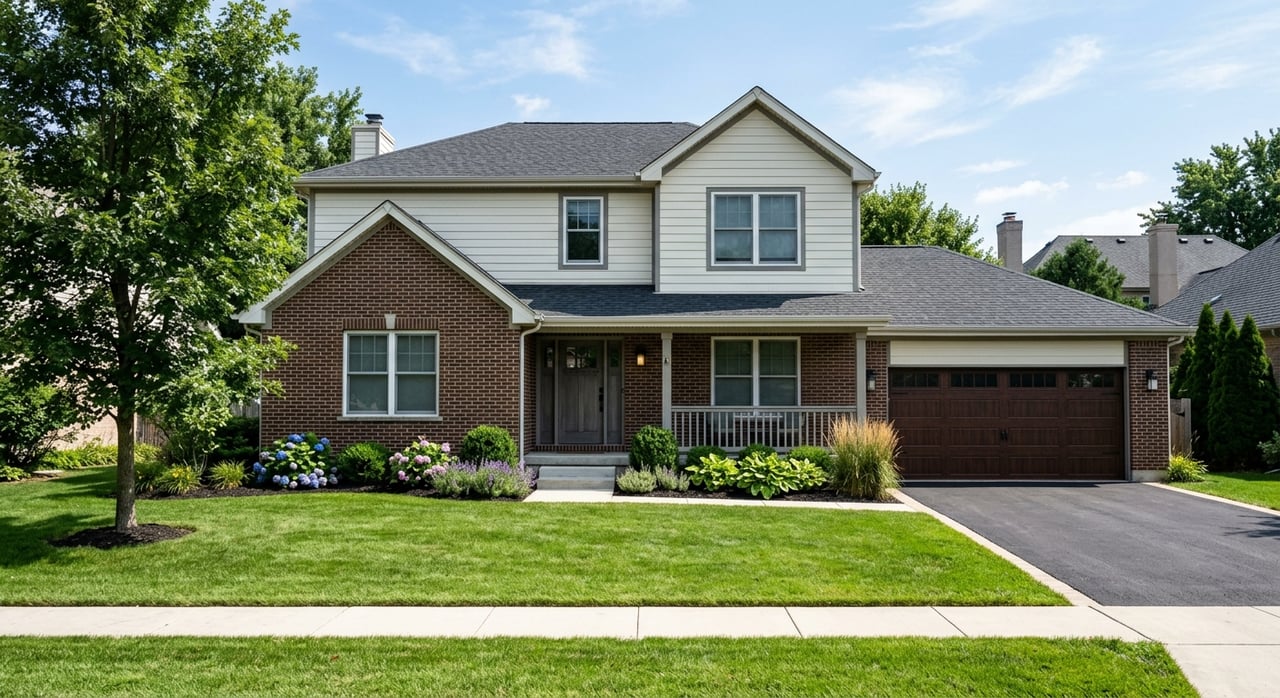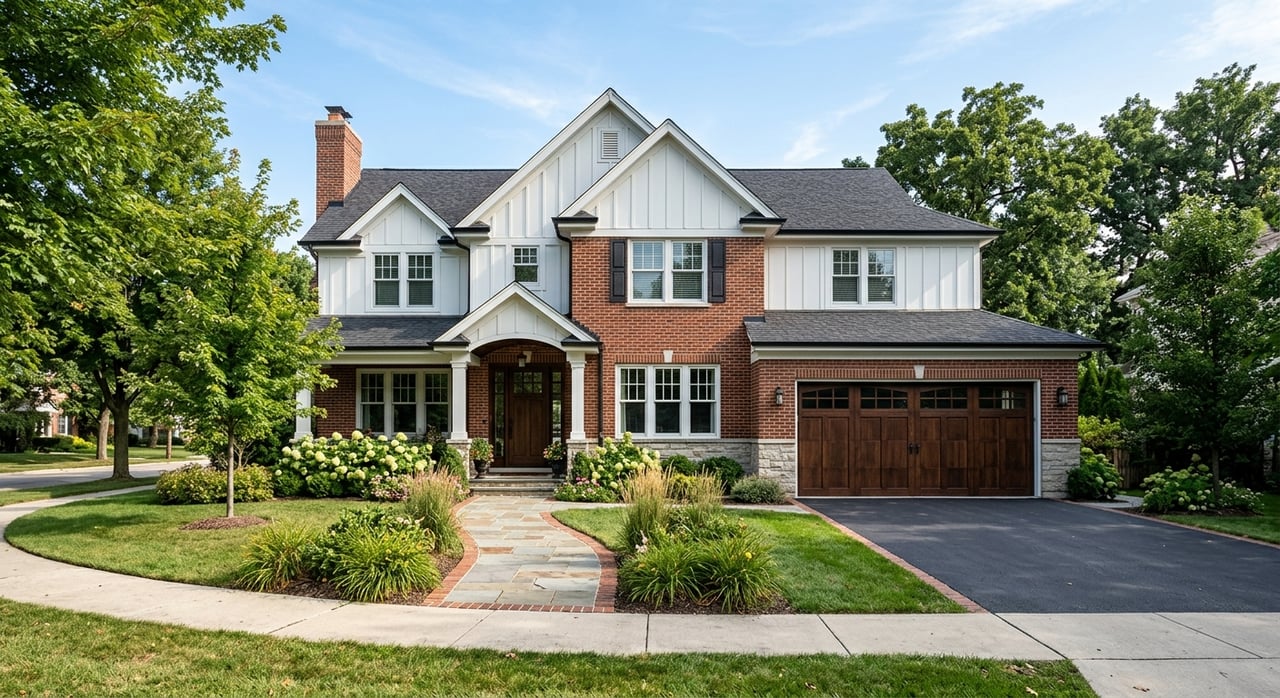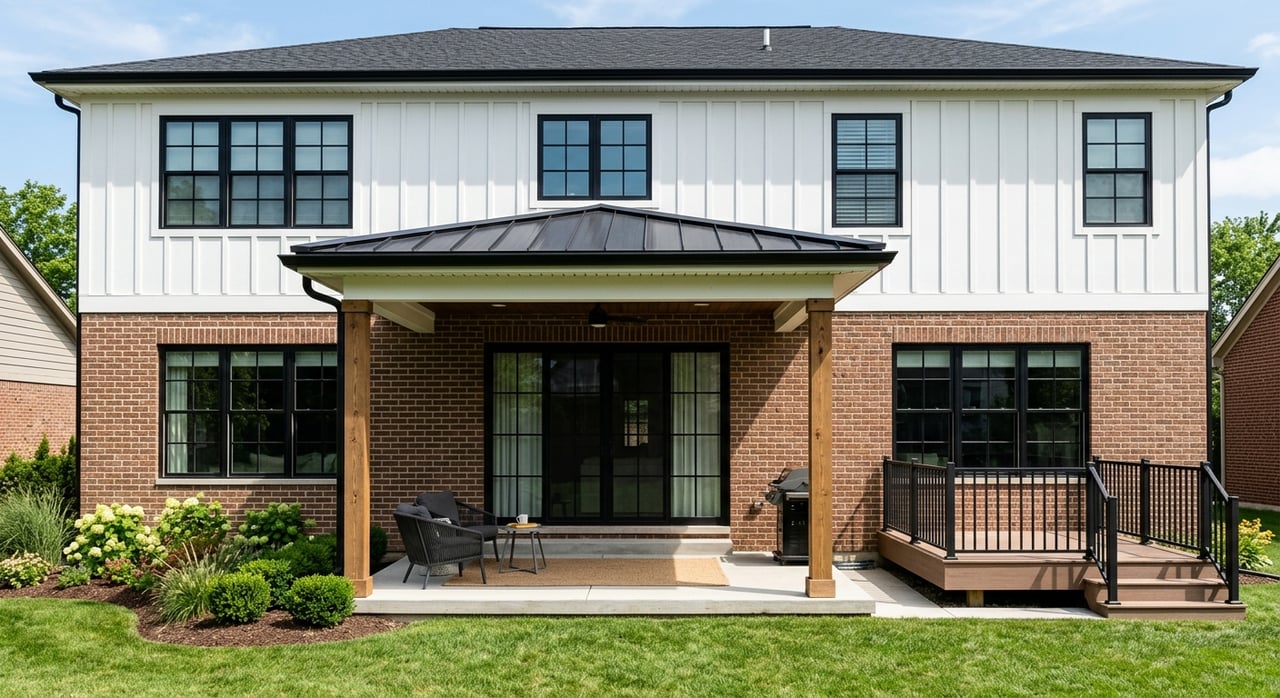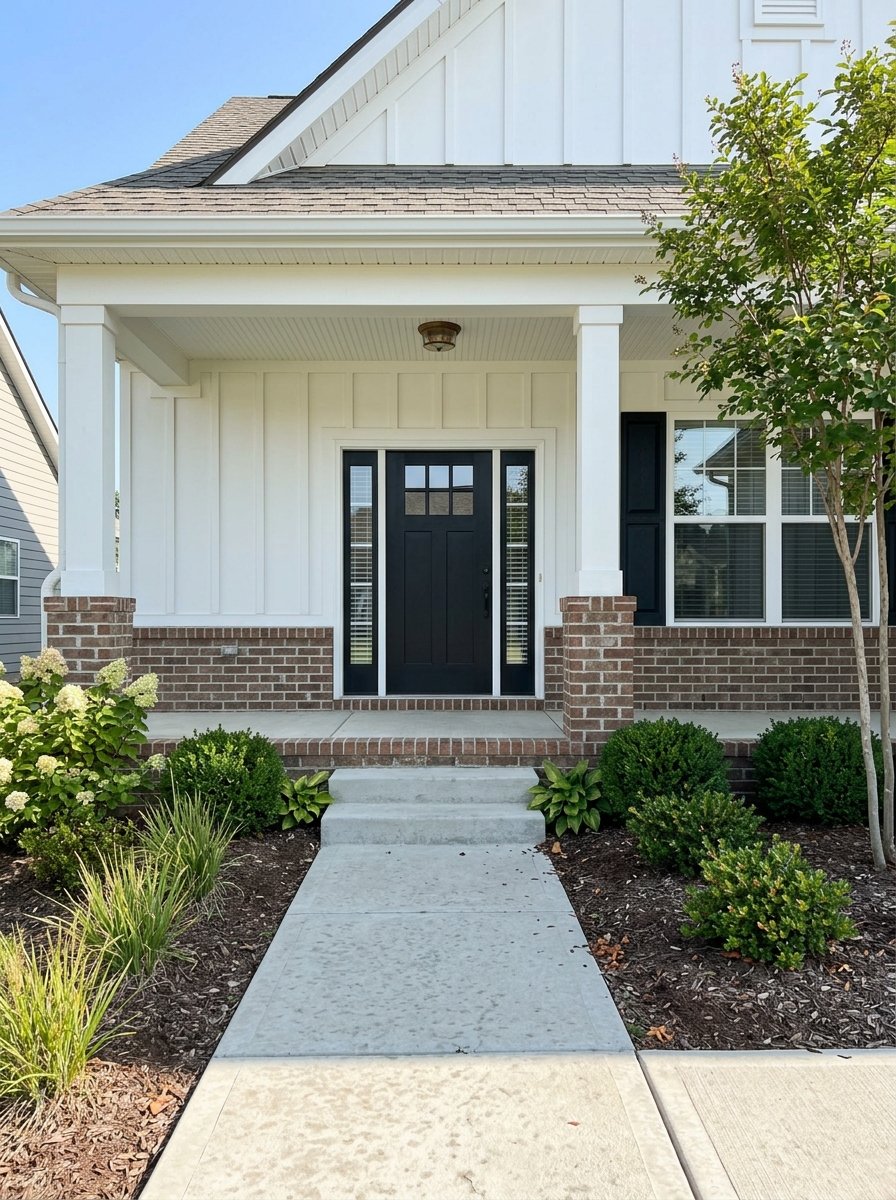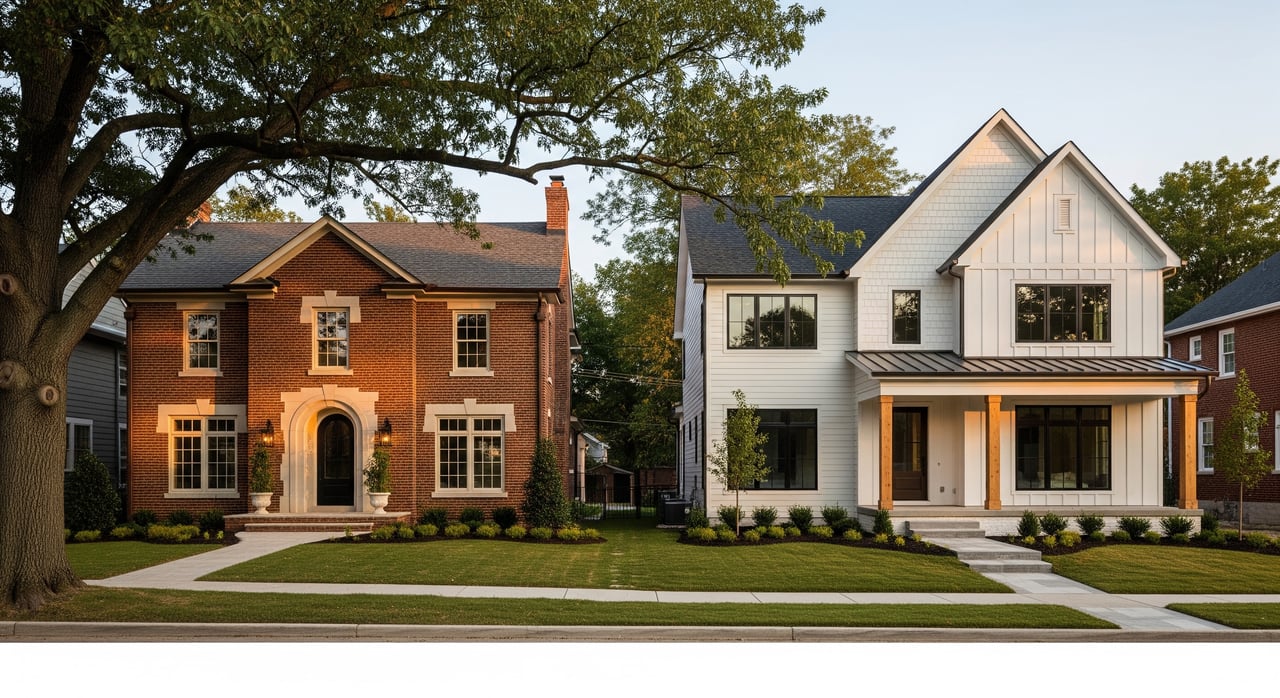
Thinking about buying in Westfield and torn between shiny new construction and a charming established home? You are not alone. This decision affects your budget, timeline, and day-to-day lifestyle. In this guide, you will learn the real trade-offs for Westfield, from costs and timelines to HOAs, taxes, and resale value, plus checklists to use with builders and listing agents. Let’s dive in.
Westfield context at a glance
Westfield is one of Hamilton County’s fastest-growing suburbs, with active development and established neighborhoods side by side. New communities often cluster near commuter routes and community amenities like Grand Park Sports Campus, while long-standing neighborhoods deliver mature landscaping and larger lots. Your best comparison is local and recent, so plan to look at price per finished square foot and condition when comparing a new spec home to a similarly sized resale nearby.
New construction: what you get
New homes in Westfield offer modern systems, fresh finishes, and builder warranties. You also get the advantage of today’s building codes and energy-efficient features, which may reduce early maintenance and utilities.
Cost factors to expect
- Base price plus options. Expect to add for structural changes, premium finishes, and outdoor features. Lot premiums for larger or water-view sites are common.
- Soft costs and incentives. Builders may offer closing cost credits, often tied to using a preferred lender. Compare incentives to overall interest rate and fees.
- Appraisal risk. Large option packages may not fully appraise if nearby sales do not support the final price. Plan buffers for appraisal outcomes.
Typical timelines
- Move-in ready spec homes can often close in about 30 to 60 days once occupancy is issued.
- Semi-custom or quick-build homes typically take about 3 to 6 months depending on season and selections.
- Fully custom builds often run 9 to 12 months or longer due to permitting, weather, and trade schedules.
Inspections and warranties
- Get independent inspections at key stages, such as pre-drywall and final walkthrough.
- Ask for warranties in writing. Many builders provide 1-year workmanship and longer structural coverage, sometimes up to 10 years, but terms vary.
HOAs and neighborhood features
- Many new subdivisions include HOAs that maintain common areas, trails, playgrounds, and stormwater ponds.
- Review covenants for design rules, fees, and any special assessments. These can affect fence styles, exterior colors, and landscaping.
Established homes: what to expect
Resale homes in Westfield can offer character, yard space, and established streetscapes. They may also present opportunities to update on your own timeline.
Price and value
- Purchase price may be lower per square foot than new builds in the same band, depending on condition.
- Factor in updates like flooring, kitchens, roofs, windows, and HVAC to get a true cost comparison.
Condition and maintenance
- Expect a home inspection and a negotiation period for repairs or credits.
- Systems and roof age matter. Budget for replacement cycles if items are near end of life.
Negotiation and timing
- Resales can close on a standard timeline, often 30 to 45 days, depending on financing and appraisal.
- Your leverage depends on days on market and comparable sales.
Neighborhood character
- Mature trees, diverse architecture, and established traffic patterns can be part of the appeal.
- Verify current school attendance zones and any nearby development plans that could change traffic patterns.
Lot sizes and location trade-offs
- Many new Westfield subdivisions offer standard suburban lots around 0.15 to 0.35 acre, with some communities featuring smaller or zero-lot-line options. Larger estate lots of 0.5 acre or more are more common at the higher end or on the community edge.
- Established neighborhoods sometimes deliver larger yards and mature landscaping at a similar price. Compare yard use, privacy, and maintenance preferences.
- Proximity to Grand Park can boost convenience and rental appeal during events, and it can also mean busier traffic at peak times. Visit at different times of day before you decide.
Taxes, utilities, and fees
Property taxes and assessments
- New construction assessments can rise as the home is completed and reassessed. Check the county assessor and auditor records for estimated taxes on a parcel or similar homes.
Permits and impact fees
- New builds include city permits and may involve development or impact fees. Ask your builder what municipal fees are included and what falls to you at closing.
Utilities and services
- Confirm water and sewer providers, meter installation timing, and any connection costs. Ask whether streets are public or private, since private streets may be an HOA responsibility.
Insurance
- Newer systems can sometimes reduce initial insurance premiums. For resales, insurance cost depends on age, roof condition, and any prior claims.
Appraisals and financing basics
New build financing
- Builders often have preferred lenders and may offer incentives. Compare the full package, including rate, fees, and credits.
- If you choose a semi-custom or custom route, ask about construction-to-permanent options, rate locks, and how appraisals handle upgrades.
Resale financing
- Standard mortgage options apply, and appraisals rely on recent comparable sales. Be prepared with comps and strategy in fast-moving segments.
Comparison at a glance
- Cost certainty
- New: Base price plus upgrades and lot premiums. Incentives may offset closing costs. Watch appraisal risk.
- Resale: More predictable final price after inspection credits. Budget for near-term updates.
- Timeline
- New: 30 to 60 days for specs; 3 to 6 months for semi-custom; 9 to 12 months or more for custom.
- Resale: Often 30 to 45 days depending on financing and contingencies.
- Condition and maintenance
- New: Modern systems, code-compliant, warranty coverage.
- Resale: Potential for immediate updates but opportunity to buy larger lots or preferred streets.
- Neighborhood and amenities
- New: HOA-managed amenities, newer infrastructure.
- Resale: Mature streetscapes, established traffic patterns, and varied lot sizes.
Questions to ask a builder
- Pricing and inclusions
- What is included in the base price and what counts as an upgrade?
- What are the lot premiums and which lots are available?
- Are there closing-cost incentives tied to a preferred lender?
- Timeline and delivery
- What is the estimated completion date? Is any date guaranteed and what happens if there are delays?
- How many builds have you completed recently in Westfield and what are typical completion times?
- Quality and warranties
- What written warranties do you provide and who backs them?
- Who handles key trades like roofing and HVAC? Are they employees or subcontractors?
- Can I hire independent inspectors for pre-drywall and final walkthroughs?
- Lot and site details
- Are there easements, wetlands, floodplain areas, or grading concerns on this lot?
- What landscaping, irrigation, fencing, and driveway finishes are included?
- HOA and design rules
- Can I review the CC&Rs, budget, dues, and any pending special assessments?
- Are there exterior material or color restrictions?
- Efficiency and specs
- What is the home’s energy rating and what are the standard insulation, window, and HVAC specs?
- Change orders and deposits
- How are change orders handled and priced? What is the deposit and refund policy?
Questions to ask a listing agent
- Condition and history
- Why is the seller moving and what major updates have been done in the last 5 to 10 years?
- Can I see seller disclosures and any permitted work records?
- Pricing and comps
- What comparable sales support this price and how does it compare to nearby new builds?
- How long has it been on the market and what price changes have occurred?
- Inspection and negotiation
- Is the seller willing to make repairs or offer credits? Are multiple offers expected?
- Neighborhood specifics
- What are the current school attendance zones for this address and are there any upcoming road projects or developments nearby?
Which path fits you
- You want turnkey, low maintenance, and modern systems
- New construction is a strong match. Verify the true move-in timeline and warranty coverage.
- You want a larger yard or mature trees within a similar budget
- An established home may be the better fit. Price in updates and compare to new-build upgrade costs.
- You need to move quickly
- Focus on move-in ready specs or resales with flexible closing timelines.
- You want customization on a budget
- Consider a well-located resale and plan targeted renovations with bids in hand before you write an offer.
How we verify your numbers
When you work with a local advisor, you want apples-to-apples data. We compare price per finished square foot for similar homes, review recent sales in the same micro area, and account for upgrades, lot premiums, and condition. We also help you review HOA rules, confirm school attendance zones with the district, and coordinate independent inspections so you can buy with confidence.
Ready to weigh your options in Westfield with a clear plan and real numbers? Connect with The Amy Spillman Group for a local, high-touch approach that puts your goals first.
FAQs
What are typical new-build timelines in Westfield?
- Spec homes often close in about 30 to 60 days, semi-custom builds commonly take 3 to 6 months, and fully custom homes can take 9 to 12 months or more.
How should I compare costs between new and resale homes?
- Compare price per finished square foot, add new-build upgrade and lot premiums, and budget for resale repairs like roof, HVAC, windows, and kitchens.
Do I still need an inspection on new construction?
- Yes. Schedule independent pre-drywall and final inspections, then use the builder’s punch list and written warranty to address items before and after closing.
What should I know about HOAs in new communities?
- Review CC&Rs, dues, budget, and any special assessments, plus design restrictions that impact fences, exterior colors, and landscaping choices.
Will a highly upgraded new home appraise at contract price?
- Not always. Some upgrades may not be fully reflected in comps, so plan for possible appraisal gaps or adjust option selections accordingly.
How do Grand Park and traffic patterns affect my choice?
- Proximity to Grand Park can add convenience and event activity. Visit the area at different times of day to gauge traffic and neighborhood feel before you decide.